
GIRO
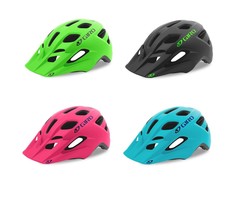
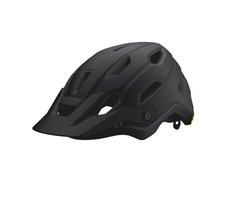
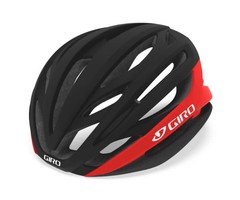
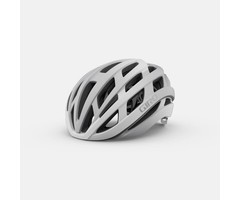
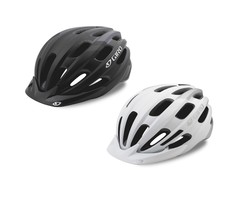
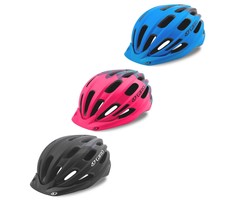
If the cycling industry had a "cool older brother" who spent all his time in a wind tunnel and a design studio, it would be Giro. Founded in 1985 by Jim Gentes in Santa Cruz, California, Giro didn't just enter the market; it smashed the door down. Gentes, a designer and bike racer, obsessed over a singular problem: cycling helmets in the 80s were heavy, ugly, and poorly ventilated. His solution, the Prolight, was a literal weight off the cycling world's shoulders and set the blueprint for every modern helmet we wear today.
From the Tour de France to the Trail
Giro’s reputation was cemented in 1989 during one of the most iconic moments in sporting history. Greg LeMond trailed Laurent Fignon by 50 seconds heading into the final time trial of the Tour de France. LeMond showed up with a futuristic, teardrop-shaped Giro Aerohead helmet. He won the Tour by a mere eight seconds. That moment didn't just sell helmets; it proved that "aerodynamics" wasn't just a buzzword—it was a race-winner.
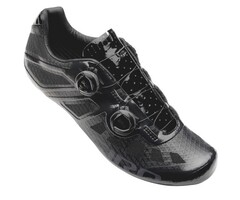
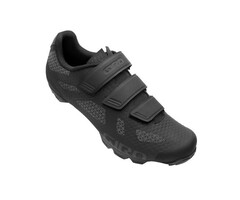
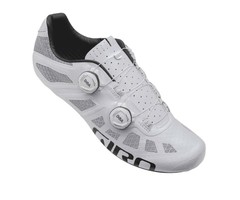
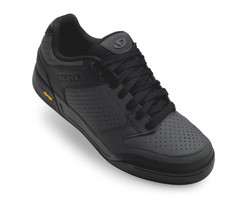
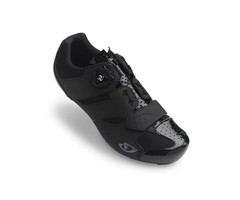
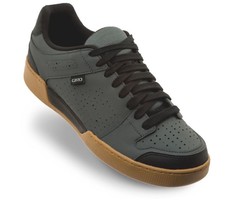
While they dominate the road, Giro’s transition into mountain biking and footwear has been equally aggressive. Their Empire road shoes—with their "retro" laces in a world of plastic dials—sparked a global fashion trend that nearly every other shoe brand was forced to follow.
Lesser-Known Facts & Cultural Impact
The NASA Connection: In its early days, Giro consulted with aerodynamicists who worked on experimental aircraft. This crossover of aerospace tech into cycling was radical for the mid-80s and is why Giro helmets often look like they belong on a fighter pilot.
Beyond the Bike: Giro is a powerhouse in the snow sports industry. Their goggles and helmets are just as prevalent on the ski slopes of Thredbo or the Remarkables as they are on the bitumen. They were among the first to successfully "cross-pollinate" safety technology between cycling and skiing.
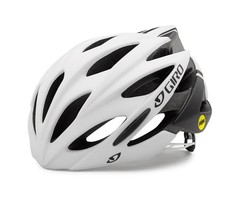
The MIPS Pioneer: While Giro didn't invent MIPS (Multi-directional Impact Protection System), they were one of the earliest and most vocal adopters, investing heavily in the Swedish technology to make "brain protection" a standard marketing term rather than a niche safety feature.
The Gritty Side: Recalls and Corporate Shuffles
Even a brand as polished as Giro has faced internal and external friction:
The NRA Controversy: In 2018, Giro’s parent company at the time, Vista Outdoor, faced a massive boycott from the cycling community. Vista also owned several firearms and ammunition brands and held a strong public tie to the NRA. The backlash was so severe that major retailers like MEC in Canada stopped stocking Giro products until Vista eventually sold off their firearms divisions to refocus on outdoor "lifestyle" brands.
The "Style over Substance" Debate: Some critics argue that Giro occasionally prioritises aesthetics—like the lace-up Empire shoes—at the expense of practicality. Pro riders have occasionally complained about the lack of "on-the-fly" adjustability with laces compared to BOA dials, leading to a long-standing debate in the peloton about whether Giro is a tech company or a fashion house.
The Recall Files: Like any manufacturer pushing the limits of lightweight materials, Giro has had to navigate high-profile recalls, notably the Merit helmet in 2023, due to straps potentially failing in a crash. It served as a sobering reminder that even the kings of safety aren't immune to manufacturing hiccups.
If the cycling industry had a "cool older brother" who spent all his time in a wind tunnel and a design studio, it would be Giro. Founded in 1985 by Jim Gentes in Santa Cruz, California, Giro didn't just enter the market; it smashed the door down. Gentes, a designer and bike racer, obsessed over a singular problem: cycling helmets in the 80s were heavy, ugly, and poorly ventilated. His solution, the Prolight, was a literal weight off the cycling world's shoulders and set the blueprint for every modern helmet we wear today.
From the Tour de France to the Trail
Giro’s reputation was cemented in 1989 during one of the most iconic moments in sporting history. Greg LeMond trailed Laurent Fignon by 50 seconds heading into the final time trial of the Tour de France. LeMond showed up with a futuristic, teardrop-shaped Giro Aerohead helmet. He won the Tour by a mere eight seconds. That moment didn't just sell helmets; it proved that "aerodynamics" wasn't just a buzzword—it was a race-winner.
While they dominate the road, Giro’s transition into mountain biking and footwear has been equally aggressive. Their Empire road shoes—with their "retro" laces in a world of plastic dials—sparked a global fashion trend that nearly every other shoe brand was forced to follow.
Lesser-Known Facts & Cultural Impact
The NASA Connection: In its early days, Giro consulted with aerodynamicists who worked on experimental aircraft. This crossover of aerospace tech into cycling was radical for the mid-80s and is why Giro helmets often look like they belong on a fighter pilot.
Beyond the Bike: Giro is a powerhouse in the snow sports industry. Their goggles and helmets are just as prevalent on the ski slopes of Thredbo or the Remarkables as they are on the bitumen. They were among the first to successfully "cross-pollinate" safety technology between cycling and skiing.
The MIPS Pioneer: While Giro didn't invent MIPS (Multi-directional Impact Protection System), they were one of the earliest and most vocal adopters, investing heavily in the Swedish technology to make "brain protection" a standard marketing term rather than a niche safety feature.
The Gritty Side: Recalls and Corporate Shuffles
Even a brand as polished as Giro has faced internal and external friction:
The NRA Controversy: In 2018, Giro’s parent company at the time, Vista Outdoor, faced a massive boycott from the cycling community. Vista also owned several firearms and ammunition brands and held a strong public tie to the NRA. The backlash was so severe that major retailers like MEC in Canada stopped stocking Giro products until Vista eventually sold off their firearms divisions to refocus on outdoor "lifestyle" brands.
The "Style over Substance" Debate: Some critics argue that Giro occasionally prioritises aesthetics—like the lace-up Empire shoes—at the expense of practicality. Pro riders have occasionally complained about the lack of "on-the-fly" adjustability with laces compared to BOA dials, leading to a long-standing debate in the peloton about whether Giro is a tech company or a fashion house.
The Recall Files: Like any manufacturer pushing the limits of lightweight materials, Giro has had to navigate high-profile recalls, notably the Merit helmet in 2023, due to straps potentially failing in a crash. It served as a sobering reminder that even the kings of safety aren't immune to manufacturing hiccups.