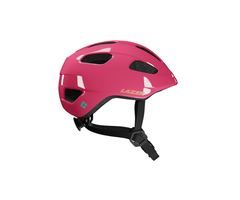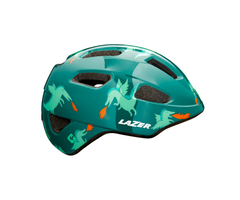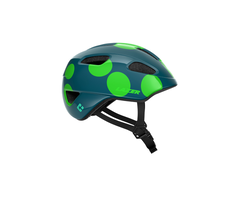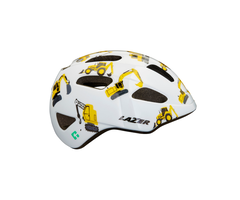

LAZER
Lazer: A Century of Head Protection Heritage
When you think of modern cycling safety, you might imagine high-tech labs and carbon-fibre shells, but Lazer started in a much more humble setting. Founded in 1919 in Belgium, the brand is officially the oldest helmet manufacturer in the world. In its infancy, Henri Van Lerberghe won the Tour of Flanders while wearing a Lazer-made leather cap—a far cry from the aerodynamic masterpieces we see today. For over a century, Lazer has operated with a distinct Belgian philosophy: if a product can survive the brutal, bone-shaking cobbles of the Flemish Ardennes, it can survive anything.
Throughout the 20th century, Lazer led the charge in safety evolution. They moved from leather "hairnets" to the first aluminium helmets in 1948, followed by thermoplastic designs in 1955. Their relentless pursuit of innovation saw them develop the first full-face helmet in 1972, cementing their status not just as a cycling brand, but as a global leader in head protection across motorcycling and winter sports. In 2016, the brand was acquired by Shimano, a move that combined Lazer’s century of "brain-saving" expertise with the engineering might of the Japanese component giant.
Lesser-Known Facts
The "Beer-Fuelled" Win: The same year Lazer was founded (1919), Henri Van Lerberghe won the Tour of Flanders in a Lazer cap. Legend has it he was so far ahead of the peloton that he stopped for a few beers before entering the velodrome, eventually telling the crowd they might as well go home because the rest of the riders were hours behind.
KinetiCore Innovation: While many brands rely on third-party liners like MIPS, Lazer spent over a decade developing KinetiCore. It’s the world’s first fully integrated rotational impact technology, using "controlled crumple zones" built directly into the EPS foam of the helmet, which actually reduces the overall weight and improves ventilation.
Bobsled & Beyond: Lazer’s expertise isn't limited to bikes. They have famously designed high-performance headgear for the Belgian and Nigerian national bobsled teams, proving their aerodynamic and safety tech works even at 130km/h on ice.
A Darker Mark on the Shell
Even a century of safety isn't without its hurdles. In 2018, Lazer faced a significant safety challenge when they had to issue a voluntary recall for several of their popular models, including the Blade, Magma, Elle, and Jade. The brand discovered that in rare circumstances, the strap anchorage could detach during a "roll-off" test—a critical European safety standard. While no injuries were reported, the recall was a massive undertaking that forced the brand to redesign its retention systems entirely, eventually leading to the improved "plus" (+) versions of those models.
Engaging the Modern Rider
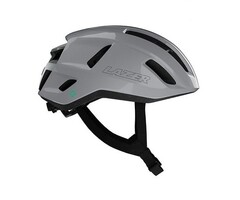
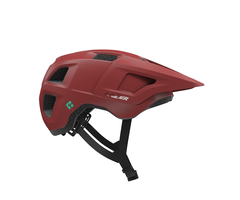
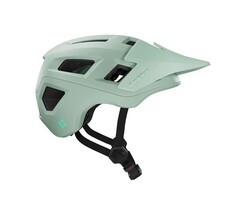
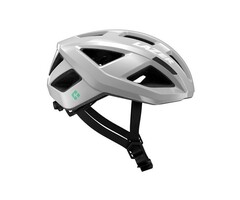
Today, Lazer is defined by its Advanced Rollsys System, a unique thumbwheel on top of the helmet that allows for a symmetrical fit without pressure points on the back of the head—a godsend for riders with ponytails. From the featherweight Z1 to the aero-efficient Vento, Lazer continues to blend heritage with cutting-edge Belgian design, ensuring that after 100 years, they are still "Protecting your Freedom."
Lazer: A Century of Head Protection Heritage
When you think of modern cycling safety, you might imagine high-tech labs and carbon-fibre shells, but Lazer started in a much more humble setting. Founded in 1919 in Belgium, the brand is officially the oldest helmet manufacturer in the world. In its infancy, Henri Van Lerberghe won the Tour of Flanders while wearing a Lazer-made leather cap—a far cry from the aerodynamic masterpieces we see today. For over a century, Lazer has operated with a distinct Belgian philosophy: if a product can survive the brutal, bone-shaking cobbles of the Flemish Ardennes, it can survive anything.
Throughout the 20th century, Lazer led the charge in safety evolution. They moved from leather "hairnets" to the first aluminium helmets in 1948, followed by thermoplastic designs in 1955. Their relentless pursuit of innovation saw them develop the first full-face helmet in 1972, cementing their status not just as a cycling brand, but as a global leader in head protection across motorcycling and winter sports. In 2016, the brand was acquired by Shimano, a move that combined Lazer’s century of "brain-saving" expertise with the engineering might of the Japanese component giant.
Lesser-Known Facts
The "Beer-Fuelled" Win: The same year Lazer was founded (1919), Henri Van Lerberghe won the Tour of Flanders in a Lazer cap. Legend has it he was so far ahead of the peloton that he stopped for a few beers before entering the velodrome, eventually telling the crowd they might as well go home because the rest of the riders were hours behind.
KinetiCore Innovation: While many brands rely on third-party liners like MIPS, Lazer spent over a decade developing KinetiCore. It’s the world’s first fully integrated rotational impact technology, using "controlled crumple zones" built directly into the EPS foam of the helmet, which actually reduces the overall weight and improves ventilation.
Bobsled & Beyond: Lazer’s expertise isn't limited to bikes. They have famously designed high-performance headgear for the Belgian and Nigerian national bobsled teams, proving their aerodynamic and safety tech works even at 130km/h on ice.
A Darker Mark on the Shell
Even a century of safety isn't without its hurdles. In 2018, Lazer faced a significant safety challenge when they had to issue a voluntary recall for several of their popular models, including the Blade, Magma, Elle, and Jade. The brand discovered that in rare circumstances, the strap anchorage could detach during a "roll-off" test—a critical European safety standard. While no injuries were reported, the recall was a massive undertaking that forced the brand to redesign its retention systems entirely, eventually leading to the improved "plus" (+) versions of those models.
Engaging the Modern Rider
Today, Lazer is defined by its Advanced Rollsys System, a unique thumbwheel on top of the helmet that allows for a symmetrical fit without pressure points on the back of the head—a godsend for riders with ponytails. From the featherweight Z1 to the aero-efficient Vento, Lazer continues to blend heritage with cutting-edge Belgian design, ensuring that after 100 years, they are still "Protecting your Freedom."