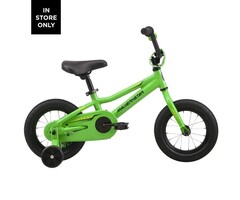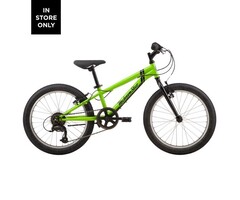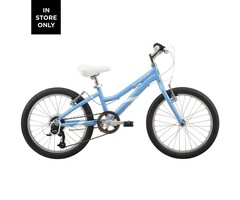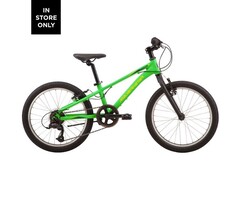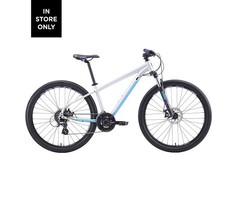

MALVERN STAR
Malvern Star: An Australian Icon from the Goldfields to the World
If there is one name that defines the childhood of almost every Australian, it is Malvern Star. Founded in 1903 by Tom Finnigan in the Melbourne suburb of Malvern, the brand began with a £240 prize Finnigan won in a bicycle race. With that seed money, he opened a small shop at 185 Glenferrie Road. The "Star" in the name was inspired by the star-shaped frame lugs that became a signature of his early builds. However, Malvern Star didn't just become a household name through retail—it became a legend through the grit of a young man named Hubert "Oppy" Opperman.
In the 1920s, the brand caught the attention of Bruce Small, a master marketer who purchased the business and turned "Oppy" into a global superstar. Under Small’s guidance, Opperman rode Malvern Star bikes to record-breaking victories in Europe, including the legendary 1928 Tour de France and the 24-hour Bol d'Or, where he rode 922km in a single stint. This era cemented Malvern Star as a symbol of Australian resilience and engineering prowess, proving that a bike designed in a Melbourne workshop could conquer the world’s most brutal roads.
Lesser-Known Facts
The "Oppy" Custom: During his peak, Opperman’s bikes were so meticulously crafted that he reportedly had his handlebars positioned to the millimetre, a level of "pro-fit" precision that was unheard of in the 1930s.
The Coronation Model: In 1937, to celebrate the coronation of King George VI, Malvern Star released a limited edition "Coronation" model featuring gold-leaf stars and premium British components, which remains one of the most sought-after vintage bikes in Australia today.
War Effort: During World War II, Malvern Star pivoted its manufacturing power to support the Australian military, producing thousands of "Service" bicycles for messengers and troops, as well as precision parts for munitions.
The BMX Boom: In the 1980s, Malvern Star dominated the Australian driveway with the SuperMax BMX. It became a cultural touchstone, appearing in countless Christmas morning photos and defining the "kid-on-the-block" aesthetic for a generation.
A Darker Turn in the Chain
The brand's history isn't without its shadows. After the glory days of the mid-20th century, Malvern Star fell victim to the decline of Australian manufacturing. In the 1970s and 80s, the brand changed hands multiple times, eventually being absorbed by large corporate conglomerates. This led to a period where the "Star" was slapped on low-quality, mass-produced department store bikes. For many cycling purists, it was heartbreaking to see a name that once broke world records relegated to "disposable" status. The brand struggled with its identity for decades, nearly fading into total obscurity as it lost the "premium" prestige that Tom Finnigan and Bruce Small had spent a lifetime building.
Engaging the Modern Rider
Today, Malvern Star has undergone a massive "renaissance" under the stewardship of Avanti Racing (Sheppard Cycles). They have successfully reclaimed their heritage by producing high-quality retro-inspired commuters and modern road bikes. Whether it’s the classic 2-Star and 5-Star re-issues or the versatile Oppy endurance range, Malvern Star once again represents the "Great Australian Ride." It is a brand built on over a century of stories, from the dusty tracks of the outback to the cobblestones of Paris.
Malvern Star: An Australian Icon from the Goldfields to the World
If there is one name that defines the childhood of almost every Australian, it is Malvern Star. Founded in 1903 by Tom Finnigan in the Melbourne suburb of Malvern, the brand began with a £240 prize Finnigan won in a bicycle race. With that seed money, he opened a small shop at 185 Glenferrie Road. The "Star" in the name was inspired by the star-shaped frame lugs that became a signature of his early builds. However, Malvern Star didn't just become a household name through retail—it became a legend through the grit of a young man named Hubert "Oppy" Opperman.
In the 1920s, the brand caught the attention of Bruce Small, a master marketer who purchased the business and turned "Oppy" into a global superstar. Under Small’s guidance, Opperman rode Malvern Star bikes to record-breaking victories in Europe, including the legendary 1928 Tour de France and the 24-hour Bol d'Or, where he rode 922km in a single stint. This era cemented Malvern Star as a symbol of Australian resilience and engineering prowess, proving that a bike designed in a Melbourne workshop could conquer the world’s most brutal roads.
Lesser-Known Facts
The "Oppy" Custom: During his peak, Opperman’s bikes were so meticulously crafted that he reportedly had his handlebars positioned to the millimetre, a level of "pro-fit" precision that was unheard of in the 1930s.
The Coronation Model: In 1937, to celebrate the coronation of King George VI, Malvern Star released a limited edition "Coronation" model featuring gold-leaf stars and premium British components, which remains one of the most sought-after vintage bikes in Australia today.
War Effort: During World War II, Malvern Star pivoted its manufacturing power to support the Australian military, producing thousands of "Service" bicycles for messengers and troops, as well as precision parts for munitions.
The BMX Boom: In the 1980s, Malvern Star dominated the Australian driveway with the SuperMax BMX. It became a cultural touchstone, appearing in countless Christmas morning photos and defining the "kid-on-the-block" aesthetic for a generation.
A Darker Turn in the Chain
The brand's history isn't without its shadows. After the glory days of the mid-20th century, Malvern Star fell victim to the decline of Australian manufacturing. In the 1970s and 80s, the brand changed hands multiple times, eventually being absorbed by large corporate conglomerates. This led to a period where the "Star" was slapped on low-quality, mass-produced department store bikes. For many cycling purists, it was heartbreaking to see a name that once broke world records relegated to "disposable" status. The brand struggled with its identity for decades, nearly fading into total obscurity as it lost the "premium" prestige that Tom Finnigan and Bruce Small had spent a lifetime building.
Engaging the Modern Rider
Today, Malvern Star has undergone a massive "renaissance" under the stewardship of Avanti Racing (Sheppard Cycles). They have successfully reclaimed their heritage by producing high-quality retro-inspired commuters and modern road bikes. Whether it’s the classic 2-Star and 5-Star re-issues or the versatile Oppy endurance range, Malvern Star once again represents the "Great Australian Ride." It is a brand built on over a century of stories, from the dusty tracks of the outback to the cobblestones of Paris.