
SILCA
The Legacy of SILCA: From Italian Perfection to American Engineering
The story of SILCA is a narrative of obsession—specifically, the obsession with the "perfect pump." Founded in 1917 by Felice Sacchi just outside of Milan, Italy, SILCA is one of the oldest and most revered names in the cycling world. For nearly a century, the brand was a family-run powerhouse that defined the golden era of cycling. If you looked in the team car of a legendary 1950s pro or the garage of a 1970s connoisseur, you would find a SILCA Pista floor pump. They were the first company to put gauges on pumps, the first to create a high-pressure frame pump, and famously, the first to use plastic (the then-revolutionary "Technopolymer") in pump construction.
However, SILCA’s history is split into two distinct volumes. The first was the Italian era, where the brand became synonymous with durability—largely due to their use of Vittoria leather washers in their pump heads, which provided a seal that modern rubber simply couldn't match. The second volume began in 2013, when the brand was on the brink of vanishing. Josh Poertner, the former Technical Director at Zipp, purchased the company from Claudio Sacchi (Felice’s grandson). Poertner moved the headquarters to Indianapolis, USA, and transformed SILCA from a fading legacy brand into a hyper-premium "aerospace-grade" engineering lab.
Lesser-Known Facts
The 100-Year Pump: SILCA’s dedication to longevity is legendary. Because they have maintained the same internal dimensions for decades, a rider in 2026 can still buy a replacement leather washer or gasket that fits a SILCA pump manufactured in 1947. They are one of the few brands in the world that actively fights against "planned obsolescence."
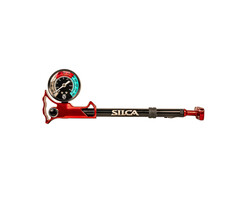
The NASA Connection: Under Josh Poertner’s leadership, SILCA began using 3D-printed titanium and aerospace-grade materials. Their "SuperPista Ultimate" pump is widely considered the most accurate in the world, with a gauge that is laboratory-certified to 1% accuracy—a level of precision usually reserved for medical or military equipment.
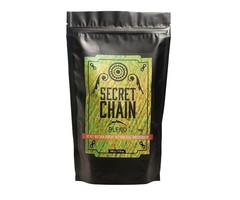
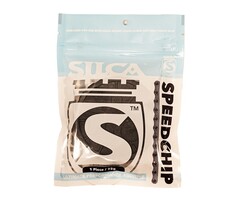
The Chain Waxing Renaissance: While they are "the pump people," SILCA has recently dominated the "marginal gains" world with their Secret Chain Blend wax. Poertner used his background in high-level racing to prove that traditional oils were "dirt magnets," and SILCA's move into hot-melt wax has changed how both pros and enthusiasts maintain their drivetrains.
A Darker Mark on the Gauge
The "darkest" period for SILCA was the late 2000s and early 2010s. As the global manufacturing shift toward "cheap and disposable" hit the cycling industry, the Sacchi family struggled to compete. The brand’s quality began to slip as they tried to find their footing in a market that didn't seem to value a $200 pump. When Claudio Sacchi was diagnosed with a terminal illness, the future of the brand looked bleak; it was nearly liquidated, which would have meant the death of a 100-year-old icon. The brand's "darkest hour" was essentially a race against time to find a buyer who understood its soul before the doors were shuttered forever.
Engaging the Modern Rider
Today, SILCA represents the "Buy It For Life" philosophy. Their products, from the Pista pump to their titanium Sicuro bottle cages (which come with a 25-year warranty), are designed for the rider who values craftsmanship over cost. They have successfully bridged the gap between old-world Italian heritage and modern, data-driven American performance, making them the ultimate status symbol for the discerning Australian cyclist.
The Legacy of SILCA: From Italian Perfection to American Engineering
The story of SILCA is a narrative of obsession—specifically, the obsession with the "perfect pump." Founded in 1917 by Felice Sacchi just outside of Milan, Italy, SILCA is one of the oldest and most revered names in the cycling world. For nearly a century, the brand was a family-run powerhouse that defined the golden era of cycling. If you looked in the team car of a legendary 1950s pro or the garage of a 1970s connoisseur, you would find a SILCA Pista floor pump. They were the first company to put gauges on pumps, the first to create a high-pressure frame pump, and famously, the first to use plastic (the then-revolutionary "Technopolymer") in pump construction.
However, SILCA’s history is split into two distinct volumes. The first was the Italian era, where the brand became synonymous with durability—largely due to their use of Vittoria leather washers in their pump heads, which provided a seal that modern rubber simply couldn't match. The second volume began in 2013, when the brand was on the brink of vanishing. Josh Poertner, the former Technical Director at Zipp, purchased the company from Claudio Sacchi (Felice’s grandson). Poertner moved the headquarters to Indianapolis, USA, and transformed SILCA from a fading legacy brand into a hyper-premium "aerospace-grade" engineering lab.
Lesser-Known Facts
The 100-Year Pump: SILCA’s dedication to longevity is legendary. Because they have maintained the same internal dimensions for decades, a rider in 2026 can still buy a replacement leather washer or gasket that fits a SILCA pump manufactured in 1947. They are one of the few brands in the world that actively fights against "planned obsolescence."
The NASA Connection: Under Josh Poertner’s leadership, SILCA began using 3D-printed titanium and aerospace-grade materials. Their "SuperPista Ultimate" pump is widely considered the most accurate in the world, with a gauge that is laboratory-certified to 1% accuracy—a level of precision usually reserved for medical or military equipment.
The Chain Waxing Renaissance: While they are "the pump people," SILCA has recently dominated the "marginal gains" world with their Secret Chain Blend wax. Poertner used his background in high-level racing to prove that traditional oils were "dirt magnets," and SILCA's move into hot-melt wax has changed how both pros and enthusiasts maintain their drivetrains.
A Darker Mark on the Gauge
The "darkest" period for SILCA was the late 2000s and early 2010s. As the global manufacturing shift toward "cheap and disposable" hit the cycling industry, the Sacchi family struggled to compete. The brand’s quality began to slip as they tried to find their footing in a market that didn't seem to value a $200 pump. When Claudio Sacchi was diagnosed with a terminal illness, the future of the brand looked bleak; it was nearly liquidated, which would have meant the death of a 100-year-old icon. The brand's "darkest hour" was essentially a race against time to find a buyer who understood its soul before the doors were shuttered forever.
Engaging the Modern Rider
Today, SILCA represents the "Buy It For Life" philosophy. Their products, from the Pista pump to their titanium Sicuro bottle cages (which come with a 25-year warranty), are designed for the rider who values craftsmanship over cost. They have successfully bridged the gap between old-world Italian heritage and modern, data-driven American performance, making them the ultimate status symbol for the discerning Australian cyclist.