
SOLO
The Solo Story: A Love Letter to the Golden Era
While many cycling brands race toward a futuristic, neon-soaked aesthetic, Solo (often styled as Solo CC) was founded on the belief that the most beautiful days of cycling are already behind us. Launched in 2005 by Paul Mason in Auckland, New Zealand, the brand was born from a specific frustration: the "billboard" look of modern kits. Mason, inspired by the iconic, wool-blend jerseys of the 1950s through the 1970s, wanted to recreate the understated elegance of legends like Fausto Coppi and Eddy Merckx, but with the performance benefits of modern technical fabrics.
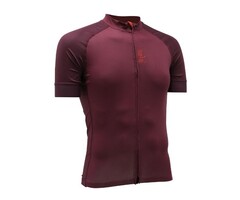
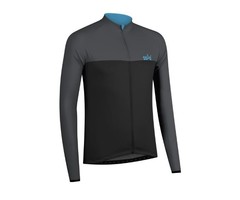
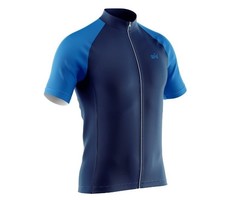
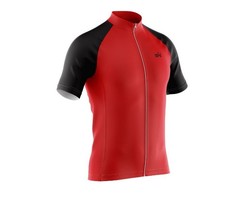
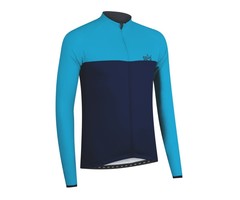
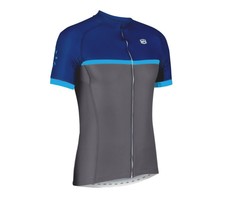
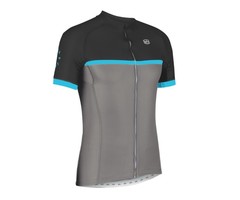
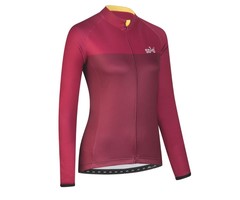
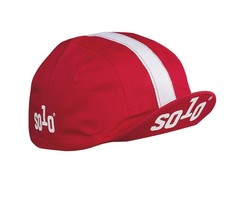
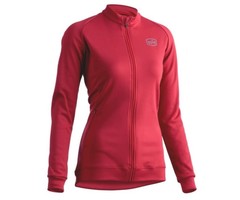
Solo’s "Classique" range became an instant hit with the "MAMIL" (Middle-Aged Men in Lycra) and purist communities globally. Their designs eschewed loud logos in favour of bold stripes, knitted cuffs, and deep, saturated colours that looked just as good at a café in Melbourne as they did on a mountain pass in the Dolomites. It was a brand built for the "Solo" rider—the one who finds peace in the rhythm of their own breath and doesn't feel the need to look like a pro-team replica.
Lesser-Known Facts
The "Secret" New Zealand Roots: Despite its heavy European styling and global reach (sold in over 60 countries), Solo remains a fiercely proud New Zealand creation. The design cues often subtly reflect the rugged, solitary landscapes of the Shaky Isles, where "going solo" on a ride is often a necessity rather than a choice.
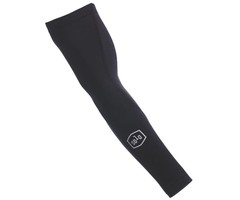
The Arm Warmer Revolution: In its early days, Solo was one of the few brands to treat accessories with the same reverence as jerseys. Their "retro" striped arm warmers became a cult item, often seen paired with other brands' kits as a "nod" among those who appreciated the heritage look.
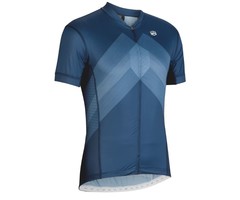
Fabric Alchemy: While they look like vintage wool, Solo’s jerseys pioneered a specific Meryl Microfibre blend. This allowed them to capture the matte, non-shiny look of 1960s wool while providing the moisture-wicking and UV protection that modern riders demand.
A Darker Stitch in the Design
The "dark" side of Solo’s history isn't one of corporate scandal, but rather a philosophical battle for survival. In the mid-2010s, as "minimalist" and "retro" styles became mainstream, massive global players like Rapha began to dominate the high-end boutique space. Solo, being a smaller, independent operation, faced an existential threat. They were the original "boutique" brand, yet they found themselves being squeezed out by larger marketing budgets that were effectively selling the same "golden era" dream. There was a period where the brand almost faded into the background, struggling to maintain its voice in a market that had suddenly become very crowded with "retro-inspired" imitators. Their survival is a testament to the loyalty of riders who value the authentic, grassroots Kiwi origin over the polished corporate gloss of their rivals.
Engaging the Modern Rider
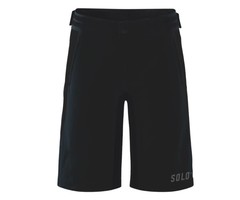
Today, Solo has expanded far beyond the road. They’ve successfully integrated technical gravel gear and commuting apparel that maintains that same "stealth wealth" aesthetic. For the Australian cyclist who wants to look like a gentleman (or gentlewoman) on the bike without sacrificing the cooling tech needed for a 35°C summer climb, Solo remains the definitive choice for timeless, understated class.
The Solo Story: A Love Letter to the Golden Era
While many cycling brands race toward a futuristic, neon-soaked aesthetic, Solo (often styled as Solo CC) was founded on the belief that the most beautiful days of cycling are already behind us. Launched in 2005 by Paul Mason in Auckland, New Zealand, the brand was born from a specific frustration: the "billboard" look of modern kits. Mason, inspired by the iconic, wool-blend jerseys of the 1950s through the 1970s, wanted to recreate the understated elegance of legends like Fausto Coppi and Eddy Merckx, but with the performance benefits of modern technical fabrics.
Solo’s "Classique" range became an instant hit with the "MAMIL" (Middle-Aged Men in Lycra) and purist communities globally. Their designs eschewed loud logos in favour of bold stripes, knitted cuffs, and deep, saturated colours that looked just as good at a café in Melbourne as they did on a mountain pass in the Dolomites. It was a brand built for the "Solo" rider—the one who finds peace in the rhythm of their own breath and doesn't feel the need to look like a pro-team replica.
Lesser-Known Facts
The "Secret" New Zealand Roots: Despite its heavy European styling and global reach (sold in over 60 countries), Solo remains a fiercely proud New Zealand creation. The design cues often subtly reflect the rugged, solitary landscapes of the Shaky Isles, where "going solo" on a ride is often a necessity rather than a choice.
The Arm Warmer Revolution: In its early days, Solo was one of the few brands to treat accessories with the same reverence as jerseys. Their "retro" striped arm warmers became a cult item, often seen paired with other brands' kits as a "nod" among those who appreciated the heritage look.
Fabric Alchemy: While they look like vintage wool, Solo’s jerseys pioneered a specific Meryl Microfibre blend. This allowed them to capture the matte, non-shiny look of 1960s wool while providing the moisture-wicking and UV protection that modern riders demand.
A Darker Stitch in the Design
The "dark" side of Solo’s history isn't one of corporate scandal, but rather a philosophical battle for survival. In the mid-2010s, as "minimalist" and "retro" styles became mainstream, massive global players like Rapha began to dominate the high-end boutique space. Solo, being a smaller, independent operation, faced an existential threat. They were the original "boutique" brand, yet they found themselves being squeezed out by larger marketing budgets that were effectively selling the same "golden era" dream. There was a period where the brand almost faded into the background, struggling to maintain its voice in a market that had suddenly become very crowded with "retro-inspired" imitators. Their survival is a testament to the loyalty of riders who value the authentic, grassroots Kiwi origin over the polished corporate gloss of their rivals.
Engaging the Modern Rider
Today, Solo has expanded far beyond the road. They’ve successfully integrated technical gravel gear and commuting apparel that maintains that same "stealth wealth" aesthetic. For the Australian cyclist who wants to look like a gentleman (or gentlewoman) on the bike without sacrificing the cooling tech needed for a 35°C summer climb, Solo remains the definitive choice for timeless, understated class.