
SCOTT
The Legacy of SCOTT: From the Slopes to the Podium
Founded in 1958 by Ed Scott, a talented engineer and ski racer living in Sun Valley, Idaho, the brand didn't actually start with two wheels. SCOTT’s origin story is rooted in the snow; Ed Scott revolutionised skiing by inventing the first tapered aluminium ski pole, which instantly relegated bamboo and steel poles to the history books. This spirit of "Innovation, Technology, Design" eventually bled into the cycling world in the 1980s, and the industry was never the same.
In 1986, SCOTT introduced its first mountain bike, but it was 1989 that cemented their place in cycling folklore. That year, they launched one of the most significant product innovations in the history of the sport: the aerodynamic handlebar. These bars were famously used by Greg LeMond in his legendary 1989 Tour de France victory, where he clawed back a 50-second deficit in the final time trial to win by a mere eight seconds. It was a "eureka" moment for aerodynamics that changed road racing forever.
Lesser-Known Facts
The World's Lightest: SCOTT has a long-standing obsession with weight. In 2001, they released the Team Issue road frame, which was the first to break the 1kg barrier. They followed this up in 2003 with the CR1, the lightest frame on the market at the time (895g).
Goggle Pioneers: Before they were a bike powerhouse, SCOTT created the first-ever motocross-specific goggle in 1970, further diversifying their expertise in high-performance optics and protection.
European Evolution: While born in the USA, SCOTT is now a Swiss-based company. In 1998, the headquarters moved to Givisiez, Switzerland, which explains the brand's meticulous, almost watch-maker level of precision in their carbon layups.
A Shady Side of the Trail
Every legacy has its friction points. In the mid-2000s, SCOTT found themselves in a bitter legal battle with Specialized over the "Horst Link" suspension patent. Specialized owned the US rights to the design, which forced SCOTT to pull several of their high-end full-suspension mountain bikes (like the Genius) from the American market for years. This "dark period" effectively stifled their US growth while they dominated the European market, creating a strange era where one of the world's best bike brands was almost impossible to buy in its own founding country.
Engaging the Modern Rider
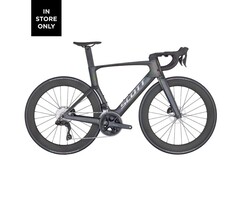
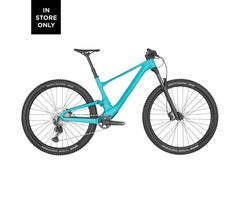
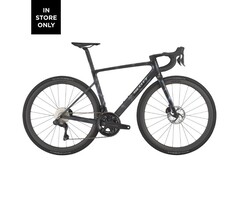
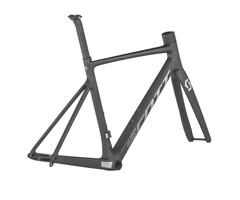
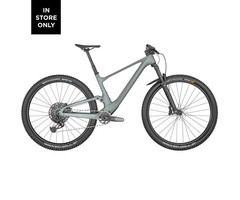
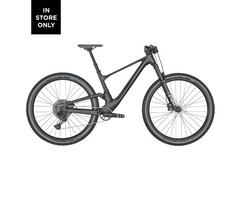
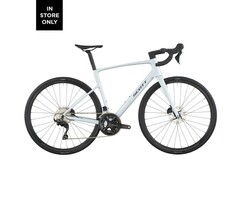
Today, SCOTT is synonymous with racing royalty like Nino Schurter, the most decorated cross-country mountain biker in history. Whether it’s the Scale, the Spark, or the aero-defying Addict road bike, the brand appeals to riders who value "stiffness-to-weight" ratios above all else. Their commitment to total integration—where cables, bars, and stems disappear into the frame—has set the aesthetic standard for the modern "superbike."
The Legacy of SCOTT: From the Slopes to the Podium
Founded in 1958 by Ed Scott, a talented engineer and ski racer living in Sun Valley, Idaho, the brand didn't actually start with two wheels. SCOTT’s origin story is rooted in the snow; Ed Scott revolutionised skiing by inventing the first tapered aluminium ski pole, which instantly relegated bamboo and steel poles to the history books. This spirit of "Innovation, Technology, Design" eventually bled into the cycling world in the 1980s, and the industry was never the same.
In 1986, SCOTT introduced its first mountain bike, but it was 1989 that cemented their place in cycling folklore. That year, they launched one of the most significant product innovations in the history of the sport: the aerodynamic handlebar. These bars were famously used by Greg LeMond in his legendary 1989 Tour de France victory, where he clawed back a 50-second deficit in the final time trial to win by a mere eight seconds. It was a "eureka" moment for aerodynamics that changed road racing forever.
Lesser-Known Facts
The World's Lightest: SCOTT has a long-standing obsession with weight. In 2001, they released the Team Issue road frame, which was the first to break the 1kg barrier. They followed this up in 2003 with the CR1, the lightest frame on the market at the time (895g).
Goggle Pioneers: Before they were a bike powerhouse, SCOTT created the first-ever motocross-specific goggle in 1970, further diversifying their expertise in high-performance optics and protection.
European Evolution: While born in the USA, SCOTT is now a Swiss-based company. In 1998, the headquarters moved to Givisiez, Switzerland, which explains the brand's meticulous, almost watch-maker level of precision in their carbon layups.
A Shady Side of the Trail
Every legacy has its friction points. In the mid-2000s, SCOTT found themselves in a bitter legal battle with Specialized over the "Horst Link" suspension patent. Specialized owned the US rights to the design, which forced SCOTT to pull several of their high-end full-suspension mountain bikes (like the Genius) from the American market for years. This "dark period" effectively stifled their US growth while they dominated the European market, creating a strange era where one of the world's best bike brands was almost impossible to buy in its own founding country.
Engaging the Modern Rider
Today, SCOTT is synonymous with racing royalty like Nino Schurter, the most decorated cross-country mountain biker in history. Whether it’s the Scale, the Spark, or the aero-defying Addict road bike, the brand appeals to riders who value "stiffness-to-weight" ratios above all else. Their commitment to total integration—where cables, bars, and stems disappear into the frame—has set the aesthetic standard for the modern "superbike."