




SRAM: The Disruptor that Redefined Shifting
In the world of cycling, SRAM is the ultimate disruptor. Founded in 1987 in a dusty warehouse in Chicago, Illinois, by Stan Day and his partners, the brand was born from a singular, revolutionary idea: Grip Shift. At a time when shifting required awkward reaches to the downtube, Stan Day (a triathlete) wondered why you couldn't just rotate the handlebar grip to change gears. That simple "twist" put SRAM on the map and ignited a multi-decade rivalry with industry giants like Shimano.
The name "SRAM" isn't an acronym for some complex mechanical process; it’s actually a combination of the founders' initials: Scott, Ray, and Andy (Stan’s middle name). From those humble beginnings, SRAM has grown into a global powerhouse, largely through a "Pac-Man" style strategy of strategic acquisitions. Over the years, they’ve absorbed legendary brands like RockShox (suspension), Avid (brakes), Truvativ (cranks), Zipp (wheels), and Quarq (power meters), creating an ecosystem where every part of the bike can be integrated into a single, high-performance "ecosystem."
Lesser-Known Facts
-
The "DoubleTap" Napkin: One of SRAM’s most famous road innovations, the DoubleTap shifter (which uses a single paddle to shift both up and down), was allegedly first sketched out on a paper napkin at a local bar by their lead engineers.
-
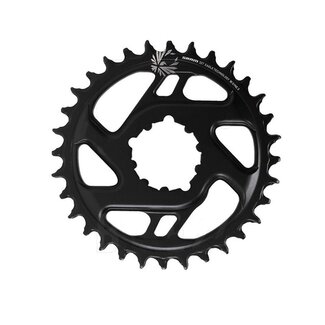
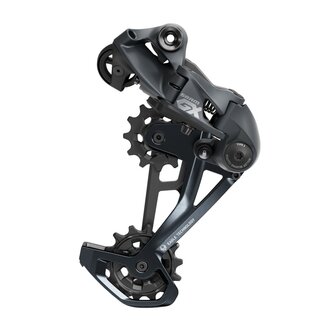
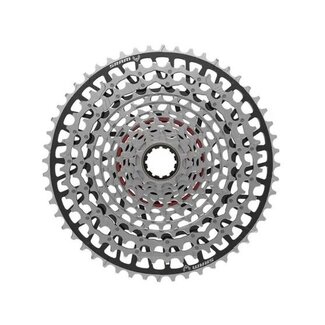
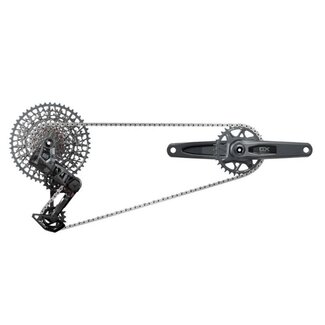
The 1x Revolution: SRAM is the brand that effectively killed the front derailleur in mountain biking. With the launch of XX1 in 2012, they proved that a wide-range single-ring drivetrain was more reliable, lighter, and simpler—a move that eventually forced the entire industry (and their competitors) to follow suit.
-
A "Typo" Debut: When SRAM debuted at their first major bike show in Long Beach in 1988, the show organisers made a mistake in the catalogue and listed them as "SCRAM." Despite the rocky start, the Grip Shift was so popular that people quickly learned the real name.
A Shady Gear Change
Every powerhouse has its moments of friction. One of SRAM’s most controversial periods involved the 2010 Tour de France, specifically "Chain-gate." When Andy Schleck’s chain dropped at a critical moment on the Port de Balès, allowing Alberto Contador to attack and eventually win the Tour, the cycling world pointed fingers at SRAM’s front shifting reliability. This prompted a period of intense criticism regarding their mechanical front derailleurs, which were often seen as the "Achilles' heel" of an otherwise brilliant groupset. SRAM eventually silenced the critics by perfecting Yaw technology and, later, the ultra-reliable eTap AXS wireless shifting, but for years, the "dropped chain" reputation was a ghost that haunted their road racing division.
Engaging the Modern Rider
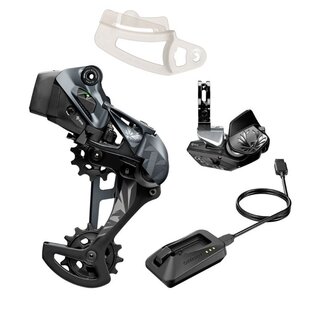
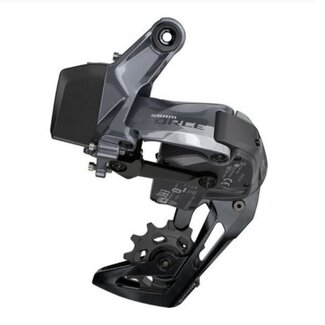
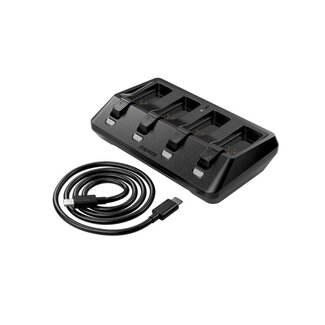
Today, SRAM is the undisputed leader in wireless technology. Their AXS ecosystem allows your derailleurs, seatpost, and even your suspension to communicate via an encrypted wireless signal, eliminating messy cables and providing a level of customisation that was once science fiction. For the rider who wants the cleanest cockpit and the most advanced tech, SRAM remains the gold standard of innovation.