

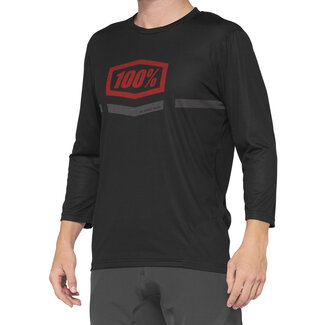
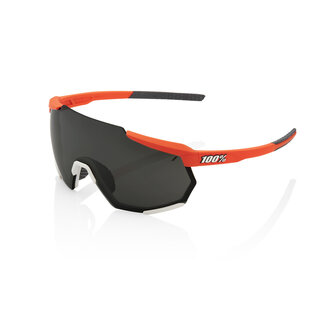
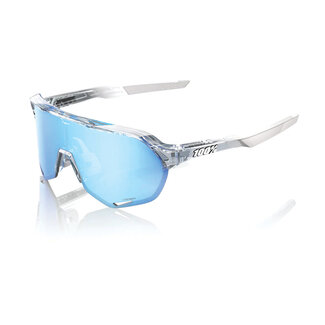

The Legacy of 100%: From the Moto Pits to the Peloton
The story of 100% is one of the most remarkable "second acts" in the history of action sports. While many contemporary cyclists know them for their oversized, futuristic eyewear, the brand’s soul is drenched in the grit and exhaust of 1980s American motocross. Founded in 1982 by Drew Lien in San Diego, California, the brand didn't actually start by making goggles or helmets. Its first products were small, heat-resistant cable wraps that protected motocross bike cables from melting on hot exhausts—and, more famously, a simple, iconic sticker.
The "100%" logo, accompanied by the tagline "How much effort do you give?", became an overnight cultural phenomenon. It was a badge of honour worn by the gods of the sport, including Bob Hannah, Ricky Johnson, and David Bailey. For decades, the brand was a dormant legend of the moto-world, until it was resurrected and reimagined for the modern era in 2012 by Ludo Boinnard and Marc Blanchard. Their transition into cycling was swift and surgical, focusing on high-performance optics that bridged the gap between downhill mountain biking and professional road racing.
Lesser-Known Facts
-
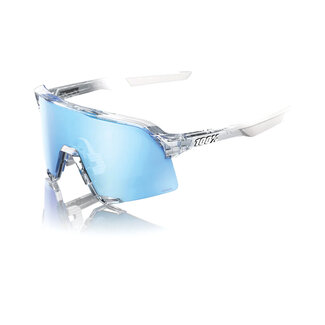
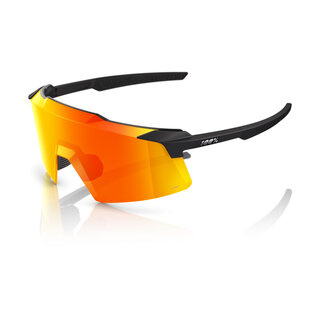
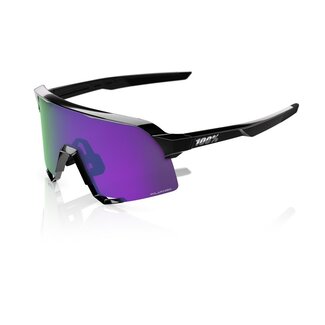
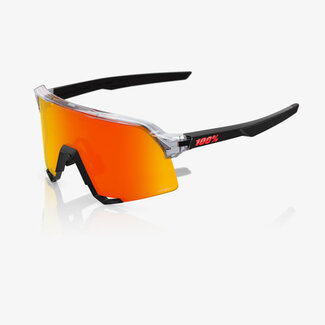
The Sagan Effect: The brand’s meteoric rise in the road cycling world is largely credited to one man: Peter Sagan. In a move that shocked the traditionalist road scene, Sagan began wearing the oversized Speedcraft goggles on the podium and during races, single-handedly normalising the "motocross-inspired" look in the professional peloton.
-
A "Sticker" Company?: In its earliest days, the brand was so focused on branding that people often joked it was just a sticker company. Drew Lien was a marketing genius who understood that if the fastest guys in the world wore the logo, the product’s quality was implied.
-
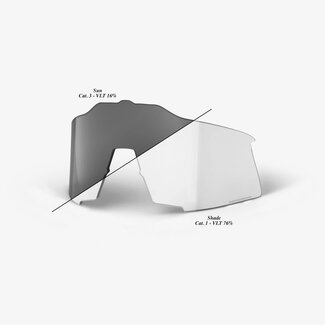
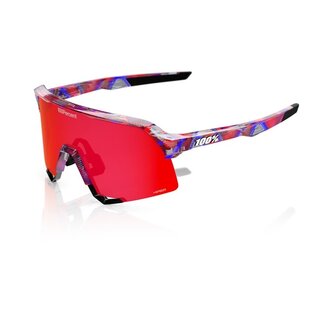
The "Hiper" Lens: 100% developed their proprietary HiPER lens technology to compete with industry giants like Oakley’s Prizm. It works by filtering out three specific light crossover colours to increase contrast and make colours "pop" more vividly than the human eye can naturally perceive.
A Darker Shade of History
The brand's "darkest" moment is perhaps its long period of commercial hibernation. After its initial 1980s peak, the brand effectively vanished from the mainstream market for nearly twenty years. During this time, the trademark became a relic of "vintage moto" culture, frequently traded and used without a central vision. The resurrection in 2012 was a massive financial gamble; many industry insiders believed the brand was too "retro" to ever compete with modern tech-focused giants. The risk of being seen as a "zombie brand"—a dead name bought solely for its nostalgic value—was high, but their aggressive focus on carbon-fibre helmets and premium optics eventually silenced the sceptics.
Engaging the Modern Rider
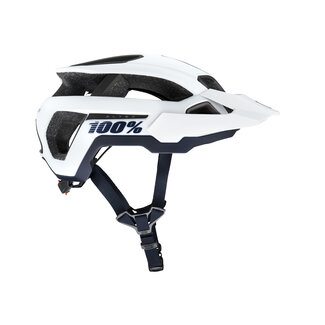
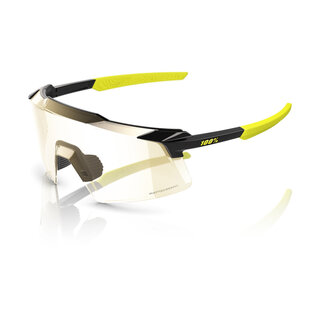
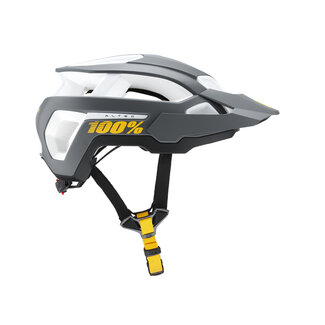
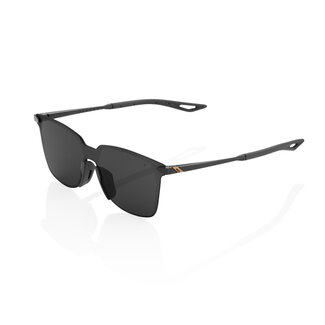
Today, 100% is the choice for riders who want to stand out. Their gear is characterised by bold silhouettes, unapologetic branding, and a refusal to follow the "minimalist" trends of the cycling industry. From the Aircraft 2 downhill helmet to the Hypercraft frameless glasses, the brand continues to ask the same question it did in 1982: How much effort do you give?