
BURGH
Burgh Cycling: The Art of the Cockpit from the Edge of the World
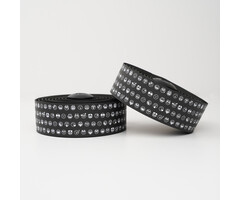
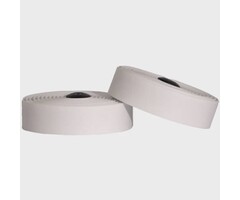
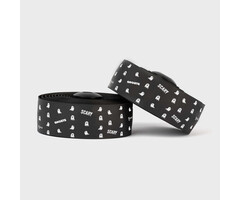
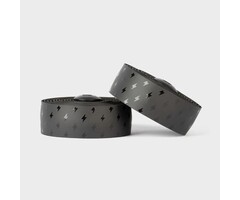
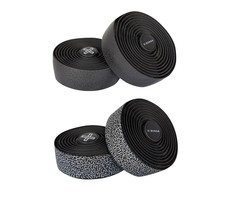
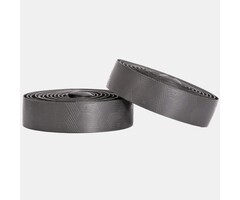
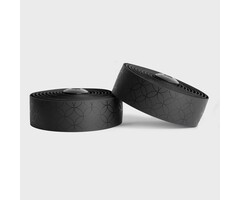
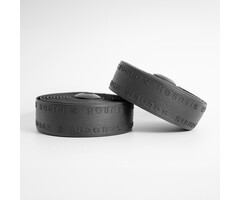
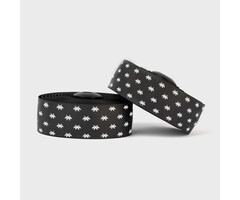
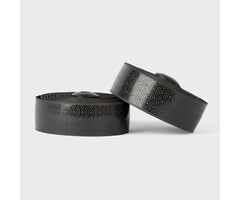
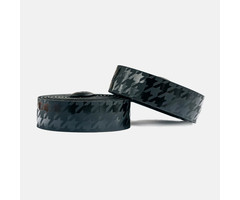
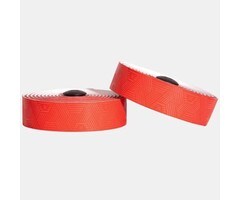
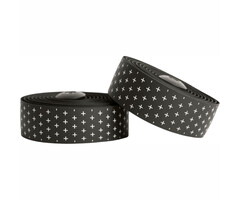
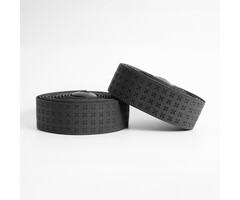
In a market saturated with massive conglomerates, Burgh Cycling is a breath of fresh, albeit wild, Tasmanian air. Founded in 2016 by a group of riders in Hobart, the brand was born out of a specific frustration with the finishing touches of a bike build. While frames were getting more aerodynamic and groupsets more advanced, bar tape—the primary interface between rider and machine—remained an afterthought of plain cork or basic silicone. Burgh set out to turn the "cockpit" into a canvas, blending high-performance polymer tech with art-forward patterns that reflect the grit and beauty of the Apple Isle.
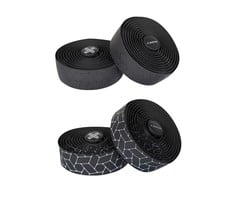
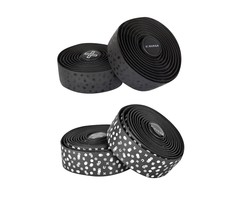
Operating out of a small garage in the shadow of Mount Wellington, Burgh’s rise was fueled by the "boutique" cycling movement. They recognised that modern cyclists wanted their gear to be an extension of their personality. Their signature patterns—from the Hieroglyph to the Pixel—became instant cult favourites on Instagram and at weekend crit races. But it wasn't just about looks; the tape had to survive the "harsh Tasmanian winter." Their unique polymer blend was engineered to stay grippy in the pouring rain of the Huon Valley and shock-absorbent enough for the brutal "gravel" detours common in Australian backcountry riding.
Lesser-Known Facts
The Wardrobe Beginnings: Like many great startups, Burgh didn't start in a factory. It was literally run out of a bedroom wardrobe in its first year. The founders would hand-pack orders on a bed before taking them to the local post office—a level of grassroots hustle that remains in their DNA as they expand globally.
A Family Affair: Despite being stocked in premium bike boutiques from London to Tokyo, Burgh remains a family-run operation. This independence allows them to ignore market trends and focus on "micro-drops" and collaborations with local Tasmanian artists and groups.
The "Big Mo" Impact: Burgh is deeply committed to men’s health. Their "Big Mo" bar tape, featuring a distinctive moustache pattern, isn't just a design choice; a massive 50% of the proceeds from this specific line are donated to men's health and mental health charities, including Speak Up Stay ChatTY.
A Darker Shade of the Island
The "darker" side of Burgh’s history is the reality of operating at the edge of the world. Tasmania’s isolation is a double-edged sword. During the early days of the global supply chain crisis, the brand faced an existential threat. Being a small "island brand" meant they were at the bottom of the priority list for global shipping and raw material access. There was a period where the "wardrobe" was empty, and the founders faced the very real possibility that their Tasmanian dream would be snuffed out by logistical forces beyond their control. This era of "near-extinction" forced them to pivot toward a more sustainable, slow-batch manufacturing model, ensuring they would never be entirely at the mercy of the "mass-production" machine again.
Engaging the Modern Rider
Today, Burgh is more than just tape; it’s a symbol of the "Alt-Road" movement. Their tape is designed to be recyclable, and they actively promote a "right to repair" philosophy, encouraging riders to re-wrap rather than replace. For the Australian rider, Burgh represents a piece of local pride—a product designed on the world’s most rugged island that has proven its worth on the cobbles of Flanders and the sun-baked tarmac of the Tour Down Under.
Burgh Cycling: The Art of the Cockpit from the Edge of the World
In a market saturated with massive conglomerates, Burgh Cycling is a breath of fresh, albeit wild, Tasmanian air. Founded in 2016 by a group of riders in Hobart, the brand was born out of a specific frustration with the finishing touches of a bike build. While frames were getting more aerodynamic and groupsets more advanced, bar tape—the primary interface between rider and machine—remained an afterthought of plain cork or basic silicone. Burgh set out to turn the "cockpit" into a canvas, blending high-performance polymer tech with art-forward patterns that reflect the grit and beauty of the Apple Isle.
Operating out of a small garage in the shadow of Mount Wellington, Burgh’s rise was fueled by the "boutique" cycling movement. They recognised that modern cyclists wanted their gear to be an extension of their personality. Their signature patterns—from the Hieroglyph to the Pixel—became instant cult favourites on Instagram and at weekend crit races. But it wasn't just about looks; the tape had to survive the "harsh Tasmanian winter." Their unique polymer blend was engineered to stay grippy in the pouring rain of the Huon Valley and shock-absorbent enough for the brutal "gravel" detours common in Australian backcountry riding.
Lesser-Known Facts
The Wardrobe Beginnings: Like many great startups, Burgh didn't start in a factory. It was literally run out of a bedroom wardrobe in its first year. The founders would hand-pack orders on a bed before taking them to the local post office—a level of grassroots hustle that remains in their DNA as they expand globally.
A Family Affair: Despite being stocked in premium bike boutiques from London to Tokyo, Burgh remains a family-run operation. This independence allows them to ignore market trends and focus on "micro-drops" and collaborations with local Tasmanian artists and groups.
The "Big Mo" Impact: Burgh is deeply committed to men’s health. Their "Big Mo" bar tape, featuring a distinctive moustache pattern, isn't just a design choice; a massive 50% of the proceeds from this specific line are donated to men's health and mental health charities, including Speak Up Stay ChatTY.
A Darker Shade of the Island
The "darker" side of Burgh’s history is the reality of operating at the edge of the world. Tasmania’s isolation is a double-edged sword. During the early days of the global supply chain crisis, the brand faced an existential threat. Being a small "island brand" meant they were at the bottom of the priority list for global shipping and raw material access. There was a period where the "wardrobe" was empty, and the founders faced the very real possibility that their Tasmanian dream would be snuffed out by logistical forces beyond their control. This era of "near-extinction" forced them to pivot toward a more sustainable, slow-batch manufacturing model, ensuring they would never be entirely at the mercy of the "mass-production" machine again.
Engaging the Modern Rider
Today, Burgh is more than just tape; it’s a symbol of the "Alt-Road" movement. Their tape is designed to be recyclable, and they actively promote a "right to repair" philosophy, encouraging riders to re-wrap rather than replace. For the Australian rider, Burgh represents a piece of local pride—a product designed on the world’s most rugged island that has proven its worth on the cobbles of Flanders and the sun-baked tarmac of the Tour Down Under.