


CamelBak: The "Sock and IV Bag" Idea that Changed Hydration
The story of CamelBak is one of the most famous "necessity is the mother of invention" tales in sports history. Founded in 1989 by Michael Eidson, a bike enthusiast and Emergency Medical Technician (EMT), the brand was born during the "Hotter’N Hell 100"—a brutal 100-mile road race in the scorching heat of Wichita Falls, Texas. As an EMT, Eidson knew the dangers of dehydration, but as a cyclist, he knew fumbling for water bottles was inefficient.
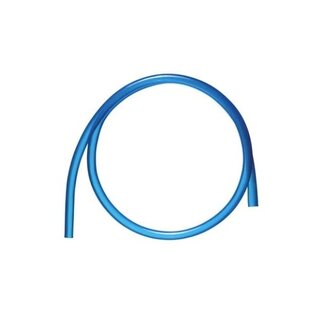
His solution was improvised brilliance: he filled an IV bag with water, stuffed it into a tube sock, and pinned it to the back of his jersey. He ran a thin hose over his shoulder and clamped it with a clothespin, allowing him to drink hands-free while his competitors struggled with cages and bottles. This makeshift "hands-free hydration" system was so effective that Eidson began selling the first-ever CamelBak product, the ThermalBak, shortly after. At first, the cycling world mocked the look, calling it "geeky," but the brand’s defiant slogan—"Hydrate or Die"—eventually turned the product into a survival essential for mountain bikers, hikers, and soldiers alike.
Lesser-Known Facts
-
The Military Powerhouse: While cyclists made it famous, the U.S. Military made it a global standard. During the Gulf War, troops began buying CamelBaks privately because they were more reliable than standard-issue canteens. Today, military and government contracts account for a significant portion of CamelBak’s business, including specialised reservoirs that integrate with gas masks to resist chemical and biological agents.
-
BPA Pioneers: In 2006, CamelBak was one of the first major bottle manufacturers to shift its entire line to BPA-free materials (specifically Eastman Tritan copolyester) after health concerns began to emerge about traditional plastics. They paved the way for the "green" reusable bottle movement.
-
The "Got Your Bak" Guarantee: CamelBak is famous for its lifetime warranty. If it breaks due to a manufacturing defect, they replace it. This "no questions asked" approach helped build a cult-like loyalty among outdoor adventurers who put their gear through hell.
A Darker Draught
CamelBak’s association with the military hasn't always been smooth sailing. In the mid-2000s, the brand faced significant ethical backlash from anti-war activists and certain segments of the outdoor community. Because CamelBak products were so integral to the equipment of soldiers in the Iraq and Afghanistan wars, some critics viewed the brand as a "profiteer of conflict." This created a strange cultural divide where the brand was simultaneously hailed as a life-saver for troops in the desert and boycotted by those who felt the company was becoming too closely entwined with the "military-industrial complex." More recently, in 2018, the brand was caught in the crossfire of the NRA debates when its parent company at the time, Vista Outdoor, also owned firearm manufacturers, leading to temporary boycotts by major retailers like REI and MEC.
Engaging the Modern Rider
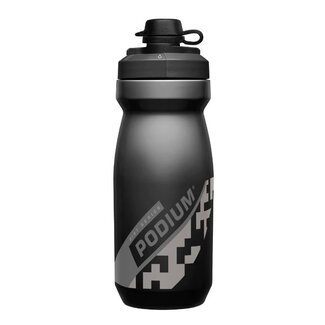
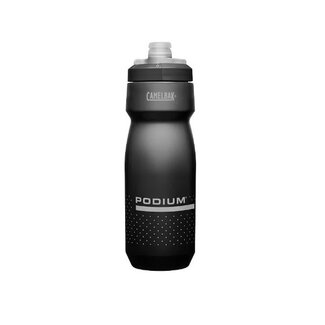
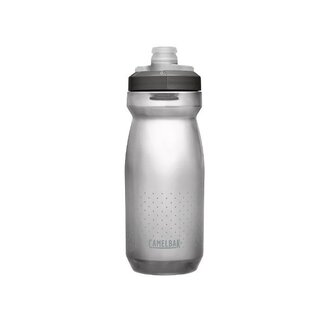
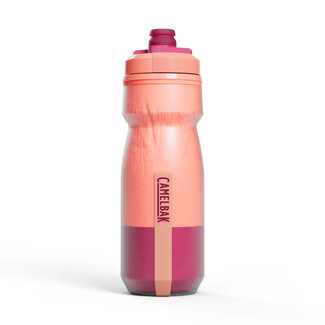
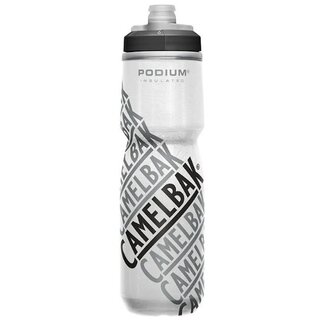
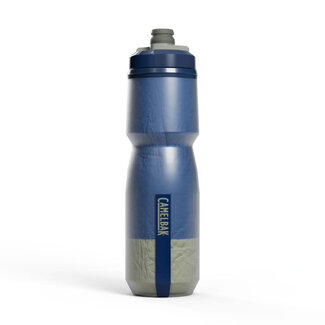
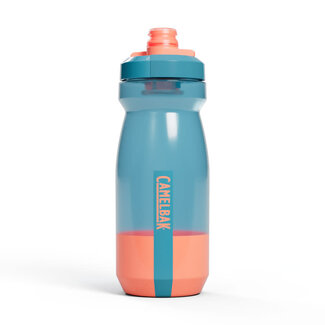
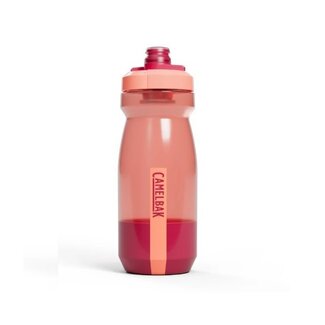
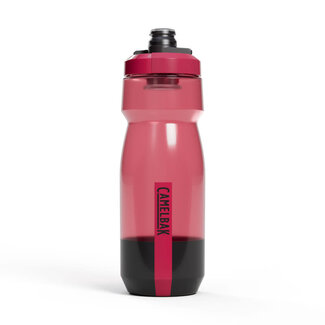
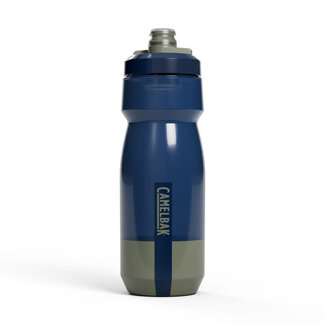
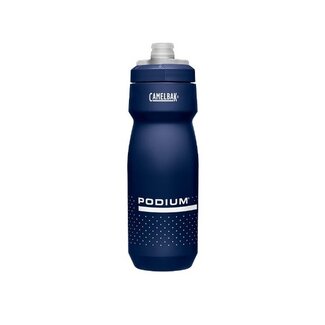
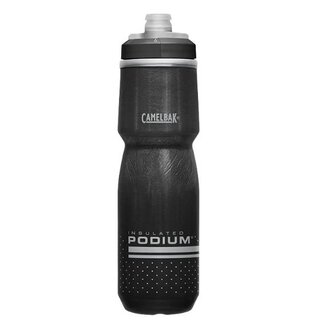
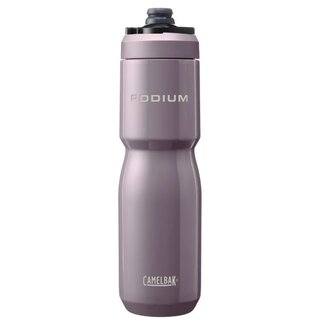
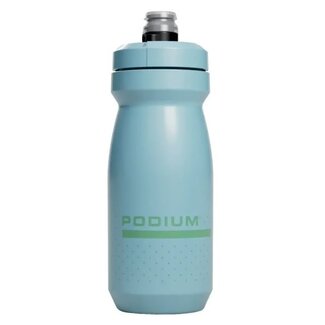
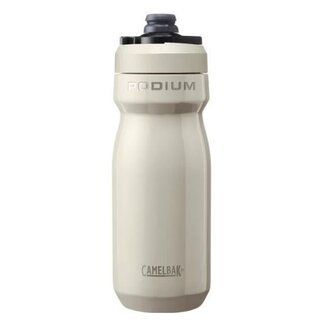
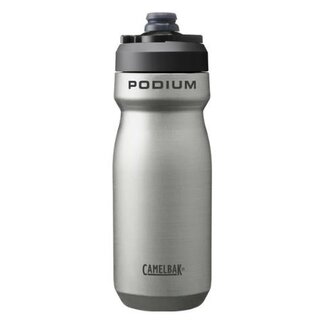
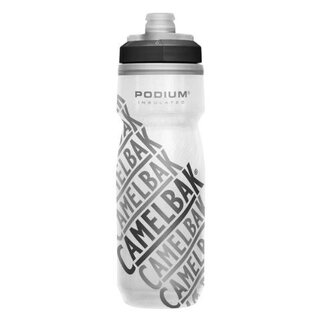
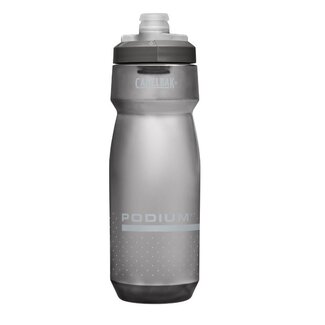
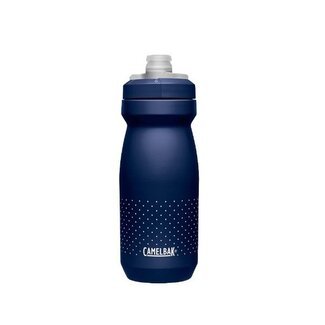
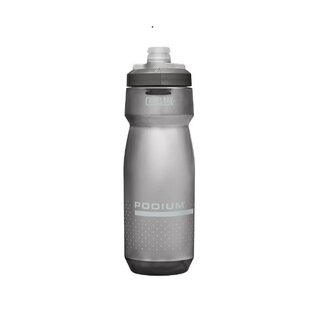
Today, CamelBak has evolved far beyond the simple tube sock. From the Podium bottle—widely considered the best cycling bottle in the world for its self-sealing Jet Valve—to the Apex series of packs, they remain the gold standard. Their focus has shifted toward sustainability, with their "Repurpose" initiative ensuring that new products like the Eddy+ are made from 50% recycled materials. Whether you're a weekend warrior on the trails or a commuter in the city, CamelBak remains the original innovator of "on-the-go" life.