

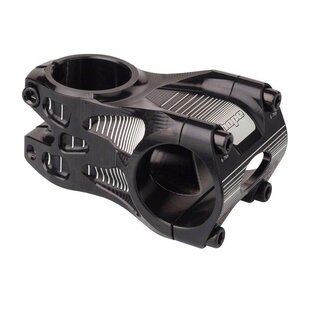

Hope Technology: The Precision Engineers of Barnoldswick
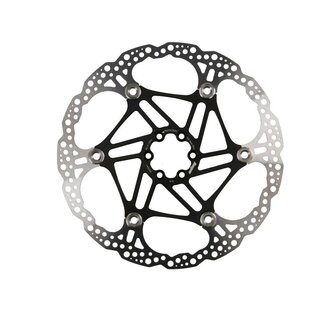
In a world of mass production and outsourced manufacturing, Hope Technology stands as a defiant monument to British engineering and CNC-machined perfection. Founded in 1989 by Ian Weatherill and Simon Sharp, the brand’s origins are surprisingly humble and entirely unrelated to bicycles. Both Weatherill and Sharp were engineers at Rolls-Royce before starting their own toolmaking business, IPCO, in Barnoldswick, Lancashire. Being obsessive trials riders and mountain bikers, they became frustrated with the poor stopping power of the cantilever brakes of the era. Their solution? They designed and machined their own mechanical disc brakes—at a time when the rest of the mountain bike world still thought disc brakes were an unnecessary gimmick for motorcycles.
By 1991, they officially transitioned from making aerospace tools to making bike parts under the name "Hope." Since then, Hope has become a cult icon, famous for its "industrial-chic" aesthetic and its refusal to move manufacturing to Asia. Every single component—from hubs and brakes to cranks and even their new carbon fibre frames—is designed, tested, and manufactured in their "Mill" in Barnoldswick. They are the only major brand in the cycling industry that can claim to be a truly self-contained ecosystem of British manufacturing, employing hundreds of locals in the same town where the founders first started.
Lesser-Known Facts
-
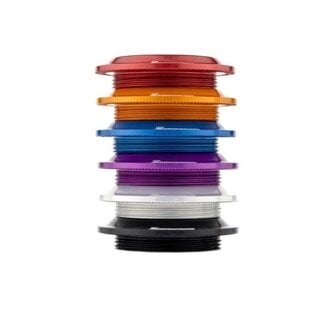
The Green Anodising Mystery: For years, Hope's "Team Green" anodised parts were a forbidden fruit. They were produced exclusively for Hope-sponsored pro riders and were famously not for sale to the public. This created a massive secondary market where "Team Green" hubs would sell for triple their retail price on eBay. It wasn't until recently that Hope occasionally released "Green" as a limited-edition run.
-
Lights and Laps: Before the LED revolution, Hope was a pioneer in high-intensity discharge (HID) lighting. Their "Hope Vision" lights were the gold standard for 24-hour endurance racers in the early 2000s, proving they could engineer electronics just as well as they could machine aluminium.
-
The HB.160 Experiment: In 2017, Hope decided to see if they could build a whole bike. Instead of following industry standards, they created the HB.160, which featured a unique 130mm rear hub spacing and a proprietary brake mount. It was a "purist's bike" that ignored market trends in favour of what Hope's engineers simply thought was better.
A Darker Mark on the Mill
The most sombre chapter in Hope’s history occurred in 2016 with the tragic and sudden passing of co-founder Simon Sharp. Simon was the creative and engineering visionary of the brand, and his death by suicide sent shockwaves through the global cycling community. It was a "dark" moment that forced a conversation about mental health within the high-pressure world of the bicycle industry. Following his passing, Ian Weatherill and the Sharp family had to navigate the immense grief while ensuring the company remained stable. Today, the brand continues to honour Simon’s legacy by maintaining the "engineered-to-death" philosophy he instilled, but his absence is still felt in every new design that leaves the Lancashire factory.
Engaging the Modern Rider
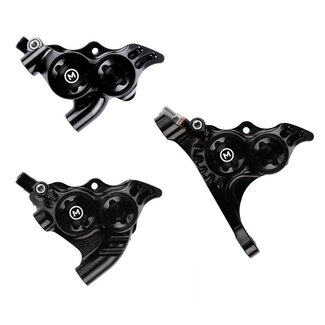
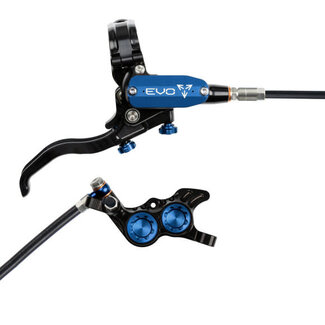
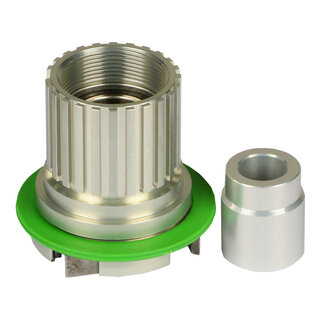
Today, Hope is synonymous with the "click" of their hubs. The Pro 5 (and the legendary Pro 2 and Pro 4 before it) is the sound of high-end mountain biking. For the Australian rider, Hope components are a popular choice for "set-and-forget" reliability. Whether it’s the Tech 4 V4 brakes providing immense stopping power on the steep trails of Bright or their bulletproof bottom brackets surviving the dust of the Munda Biddi trail, Hope parts are designed to be serviced, not replaced. They are one of the few brands that still offers every single tiny spring and seal as a spare part, supporting a "right to repair" philosophy that has earned them lifelong fans.