


The Unstoppable Cog: The Story of Shimano
When you think of cycling, you think of Shimano. The Japanese giant doesn't just participate in the industry; it effectively dictates the rhythm of the global bicycle market. Founded in 1921 by Shozaburo Shimano in Sakai City, Osaka, the company began with a single product: a bicycle freewheel. Shozaburo famously remarked that he wanted his products to be the best in Japan, then the best in the world. A century later, it’s hard to argue he didn't overshoot that goal.
From Sakai to the World Stage
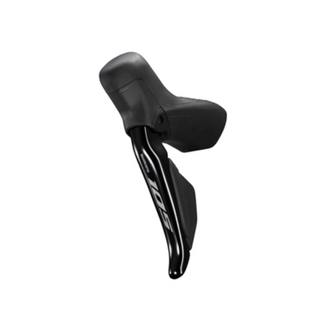
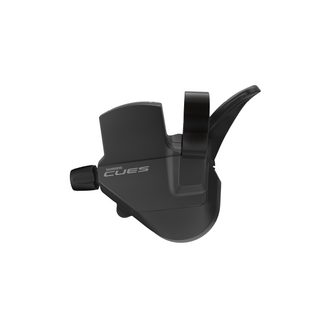
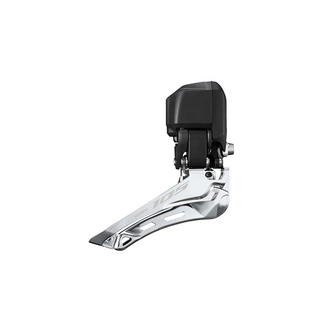
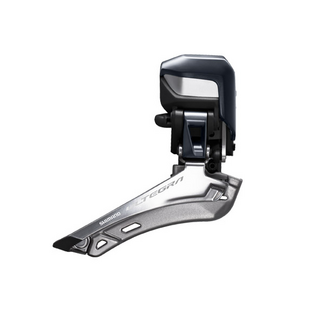
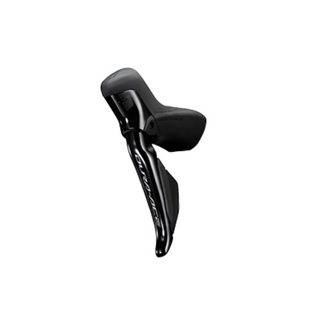
While Shimano is now a multi-billion dollar conglomerate, its rise was fueled by a relentless pursuit of system integration. Before Shimano, bicycles were a mish-mash of parts from different manufacturers. In the 1980s, Shimano revolutionised the sport with Shimano Index System (SIS), ensuring that one click of a lever resulted in one perfect gear shift. This obsession with "the system" eventually led to the dominance of the Dura-Ace and Ultegra groupsets that define the modern peloton.
Lesser-Known Facts & Industry Secrets
-
The Fishing Connection: Many cyclists are surprised to learn that Shimano is equally dominant in the fishing world. They applied their precision cold-forging technology—perfected for bike gears—to spinning reels in 1970. Today, fishing tackle accounts for a massive 20–25% of their total revenue.
-
The "Secret" Museum: In Sakai, Shimano maintains a private "Bicycle Museum Cycle Center." It houses one of the world's most comprehensive collections of historical bicycles, many of which are kept away from the public eye to protect proprietary engineering secrets.
-
The Component Monopoly: It is estimated that Shimano controls roughly 70–80% of the global market for bicycle drivetrains and brakes. This "silent" monopoly means that if Shimano’s supply chain hiccups (as it did during the 2020-2022 global bike boom), the entire world’s bicycle production effectively grinds to a halt.
The Gritty Side: Controversies and Challenges
No empire is built without friction. Shimano has faced its share of "dark" moments that enthusiasts often debate:
-
The Biopace "Fail": In the 80s, Shimano pushed Biopace, non-round chainrings designed to eliminate the "dead spot" in a pedal stroke. While marketed as a revolution, it was widely panned by pros for feeling unnatural and potentially causing knee issues. It remains a rare stain on their engineering record.
-
The Crankset Recall (2023): One of the biggest hits to their reputation occurred recently with the massive inspection and recall program for 11-speed Bonded Hollowtech II cranksets. After years of reports regarding "delamination" and cranks snapping mid-ride, the scale of the issue (affecting millions of units) forced a global response that tested consumer loyalty.
-
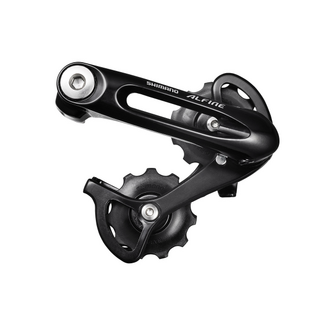
The Patent Fortress: Shimano is known for its aggressive patenting strategy. They have thousands of active patents, which critics argue stifles innovation from smaller brands who simply cannot navigate the legal "minefield" Shimano has laid around basic derailleur mechanics.
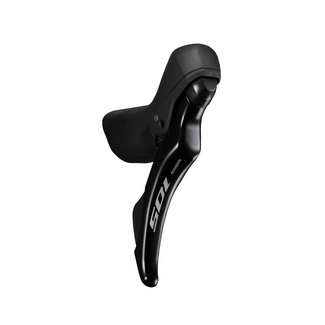
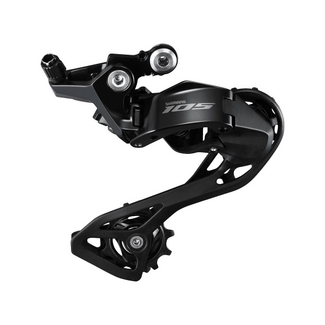
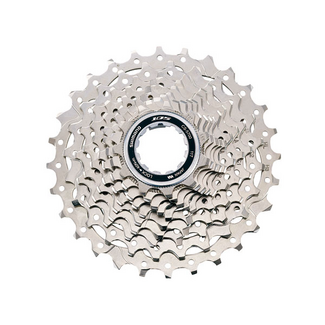
Despite these hurdles, Shimano remains the gold standard for reliability. Whether it’s the mechanical "click" of a 105 shifter or the silent precision of Di2 electronic shifting, the brand continues to define what it feels like to ride a bike.