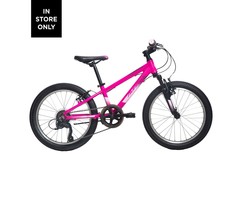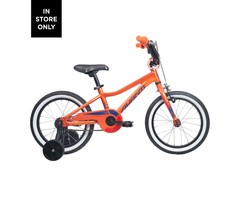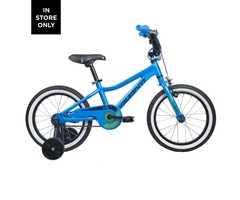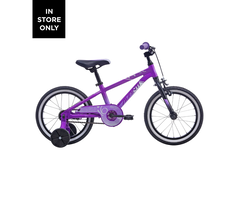

AVANTI
Avanti: New Zealand Innovation on Australian Tarmac
While Australia claims Avanti as one of its own, the brand’s story actually begins across the Tasman. Founded in 1985 by John O’Donnell in Auckland, New Zealand, Avanti was born from a desire to create a local alternative to the expensive, high-spec American and European brands dominating the market. O’Donnell, a bike shop owner, saw a gap for a brand that understood the specific needs of Southern Hemisphere riders—tough, reliable, and performance-oriented. By the early 1990s, Avanti had crossed the ditch, becoming a powerhouse in the Australian cycling scene through a mix of clever engineering and aggressive racing sponsorship.
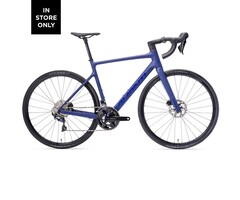
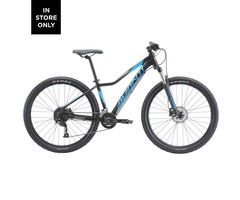
Avanti’s reputation is built on its "Design Tech" philosophy. They were one of the first brands in the region to invest heavily in in-house carbon fibre research and development. This commitment paid off in the 2000s and 2010s, as Avanti became the weapon of choice for the Australian and New Zealand National Track Teams. Their track bikes, like the legendary Pista, were developed with precision that rivalled aerospace engineering, leading to multiple Commonwealth and Olympic medals. Whether it’s the elite-level Corsa road range or the bulletproof Montari mountain bikes, Avanti has spent four decades proving that "down under" engineering can stand toe-to-toe with the world's best.
Lesser-Known Facts
The NASA Connection: During the development of their top-tier aero frames, Avanti engineers didn't just use standard wind tunnels. They collaborated with aerodynamicists who had worked on projects for NASA, ensuring their "wind-cheating" profiles were scientifically superior to their competitors.
Triathlon Dominance: In the early 2000s, Avanti was arguably the most dominant brand in Ironman triathlon in the region. They were early adopters of triathlon-specific geometry, helping legends like Cameron Brown secure multiple victories in the brutal New Zealand and Australian Ironman circuits.
A "Sub-Brand" Giant: Avanti was the foundation for Sheppard Cycles, which eventually became the largest bicycle wholesaler in Australasia. This corporate growth allowed them to acquire other iconic names like Malvern Star, effectively making them the "keepers of the flame" for Southern Hemisphere cycling history.
A Darker Shade of the Spokes
Every legacy has its trials. For Avanti, the "darkest" period came during a significant product safety crisis in the late 2000s and early 2010s. The brand had to issue multiple high-profile recalls involving their carbon fibre forks and certain handlebar models. In one instance, a manufacturing defect in the fork steerers of their popular road models posed a risk of catastrophic failure under stress. For a brand that built its name on "Design Tech" and safety, these recalls were a massive blow to consumer confidence and cost the company millions in replacements and legal oversight. They eventually emerged stronger by over-engineering their testing protocols, but the era remains a sobering reminder of the thin line between "lightweight" and "failure."
Engaging the Modern Rider
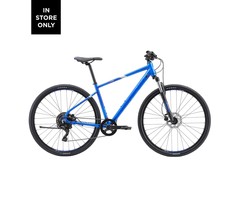
Today, Avanti continues to be the "reliable mate" of the cycling world. They have pioneered the "Style" and "Metro" urban ranges, which transformed cycling from a sport into a viable commuting option for thousands of Australians. Their focus on Female Specific Design (FSD) also set an industry standard, ensuring that bikes weren't just "shrunk and pinked," but properly engineered for female anatomy. With a massive dealer network from Perth to Brisbane, Avanti remains the go-to brand for families, commuters, and aspiring racers alike.
Avanti: New Zealand Innovation on Australian Tarmac
While Australia claims Avanti as one of its own, the brand’s story actually begins across the Tasman. Founded in 1985 by John O’Donnell in Auckland, New Zealand, Avanti was born from a desire to create a local alternative to the expensive, high-spec American and European brands dominating the market. O’Donnell, a bike shop owner, saw a gap for a brand that understood the specific needs of Southern Hemisphere riders—tough, reliable, and performance-oriented. By the early 1990s, Avanti had crossed the ditch, becoming a powerhouse in the Australian cycling scene through a mix of clever engineering and aggressive racing sponsorship.
Avanti’s reputation is built on its "Design Tech" philosophy. They were one of the first brands in the region to invest heavily in in-house carbon fibre research and development. This commitment paid off in the 2000s and 2010s, as Avanti became the weapon of choice for the Australian and New Zealand National Track Teams. Their track bikes, like the legendary Pista, were developed with precision that rivalled aerospace engineering, leading to multiple Commonwealth and Olympic medals. Whether it’s the elite-level Corsa road range or the bulletproof Montari mountain bikes, Avanti has spent four decades proving that "down under" engineering can stand toe-to-toe with the world's best.
Lesser-Known Facts
The NASA Connection: During the development of their top-tier aero frames, Avanti engineers didn't just use standard wind tunnels. They collaborated with aerodynamicists who had worked on projects for NASA, ensuring their "wind-cheating" profiles were scientifically superior to their competitors.
Triathlon Dominance: In the early 2000s, Avanti was arguably the most dominant brand in Ironman triathlon in the region. They were early adopters of triathlon-specific geometry, helping legends like Cameron Brown secure multiple victories in the brutal New Zealand and Australian Ironman circuits.
A "Sub-Brand" Giant: Avanti was the foundation for Sheppard Cycles, which eventually became the largest bicycle wholesaler in Australasia. This corporate growth allowed them to acquire other iconic names like Malvern Star, effectively making them the "keepers of the flame" for Southern Hemisphere cycling history.
A Darker Shade of the Spokes
Every legacy has its trials. For Avanti, the "darkest" period came during a significant product safety crisis in the late 2000s and early 2010s. The brand had to issue multiple high-profile recalls involving their carbon fibre forks and certain handlebar models. In one instance, a manufacturing defect in the fork steerers of their popular road models posed a risk of catastrophic failure under stress. For a brand that built its name on "Design Tech" and safety, these recalls were a massive blow to consumer confidence and cost the company millions in replacements and legal oversight. They eventually emerged stronger by over-engineering their testing protocols, but the era remains a sobering reminder of the thin line between "lightweight" and "failure."
Engaging the Modern Rider
Today, Avanti continues to be the "reliable mate" of the cycling world. They have pioneered the "Style" and "Metro" urban ranges, which transformed cycling from a sport into a viable commuting option for thousands of Australians. Their focus on Female Specific Design (FSD) also set an industry standard, ensuring that bikes weren't just "shrunk and pinked," but properly engineered for female anatomy. With a massive dealer network from Perth to Brisbane, Avanti remains the go-to brand for families, commuters, and aspiring racers alike.