




Wahoo Fitness: The Digital Heart of the Modern Wahooligan
Founded in 2009 by Chip Hawkins in Atlanta, Georgia, Wahoo Fitness didn't start with the smart trainers that now dominate pain caves worldwide. The brand’s first foray into the market was the ANT+ Key, a tiny dongle that allowed iPhones to talk to fitness sensors. This "bridge" between smartphones and athletic data set the blueprint for everything Wahoo would become: a company dedicated to breaking down the walls between the hardware we ride and the digital ecosystems we inhabit.
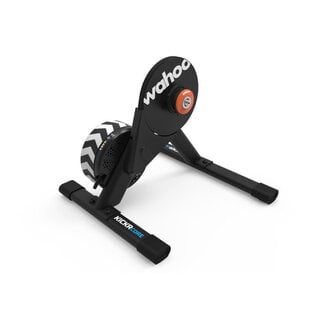
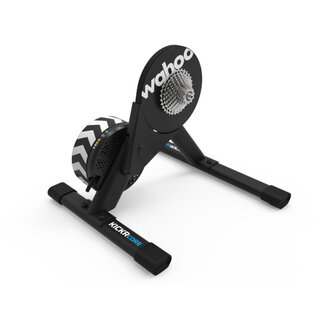
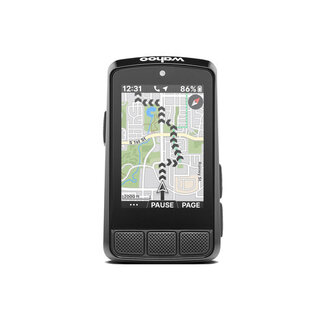
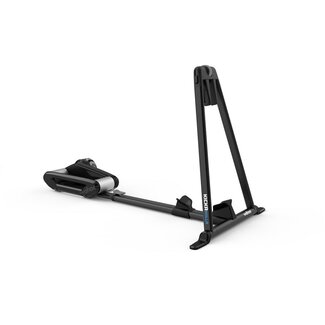
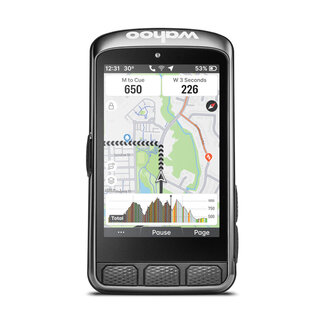
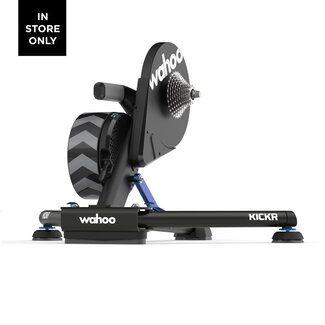
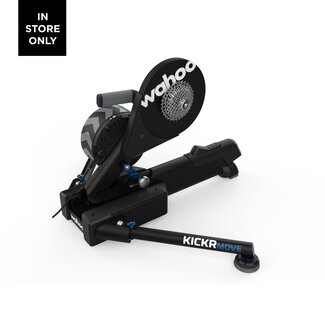
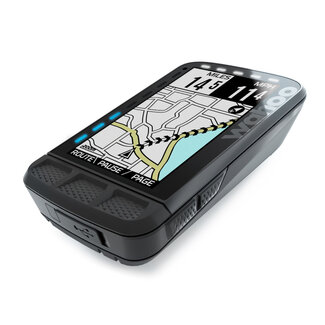
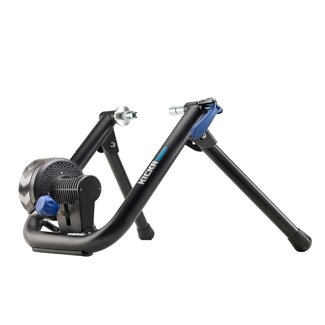
Wahoo’s true "big bang" moment arrived in 2013 with the launch of the KICKR, the world’s first smartphone-controlled indoor trainer. Before the KICKR, indoor training was a lonely, monotonous slog against a magnetic fan. Wahoo changed the game by allowing software to control the resistance, effectively paving the way for the virtual racing revolution. By the time they launched the ELEMNT bike computer in 2016, they had become the primary "disruptor" to Garmin’s long-standing monopoly, focusing on a "phone-first" setup that appealed to a new generation of tech-savvy cyclists.
Lesser-Known Facts
-
The Russian Connection: The original design for the KICKR’s direct-drive system actually drew inspiration from a "Russian Physicist" design that Greg LeMond had experimented with in the 1980s (the LeMond Revolution). Wahoo refined and digitised this "flywheel" feel to create the industry standard for realism.
-
The "Wahooligan" Cult: Wahoo is one of the few fitness brands to successfully build a distinct sub-culture. Their fans, known as "Wahooligans," are characterised by a borderline-obsessive commitment to data and indoor suffering—a culture further cemented by Wahoo’s acquisition of the notoriously grueling Sufferfest training platform (now Wahoo SYSTM).
-
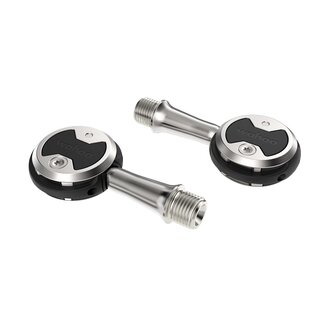
The Pedal Rebirth: In 2019, Wahoo acquired the legendary but niche pedal brand Speedplay. They spent years re-engineering the delicate "lollipop" pedals to be more durable, eventually launching the world’s first dual-sided power meter pedal, the POWRLINK ZERO.
A Darker Gear in the Machine
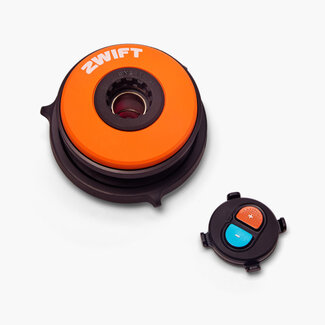
The most controversial chapter in Wahoo’s recent history is the "Trainer War" of 2022. When Zwift—previously Wahoo’s closest software partner—announced its own hardware (the Zwift Hub), Wahoo immediately filed a massive patent infringement lawsuit against both Zwift and its Australian manufacturer, JetBlack. The move sent shockwaves through the cycling community, as many saw it as an attempt to stifle competition and force prices up. While the parties eventually settled and entered a partnership in 2023, the legal battle left a temporary "dark mark" on Wahoo’s reputation, shifting the brand’s image from a "plucky innovator" to a "litigious protector" of its turf. Furthermore, in 2023, the company faced a severe financial "near-death experience," nearly being taken over by banks before Chip Hawkins successfully bought the company back in a dramatic 11th-hour rescue mission.
Engaging the Modern Rider
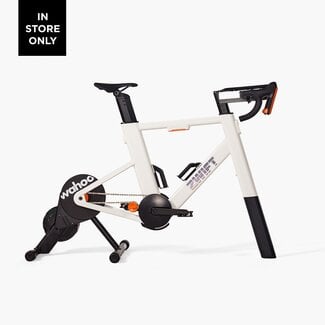
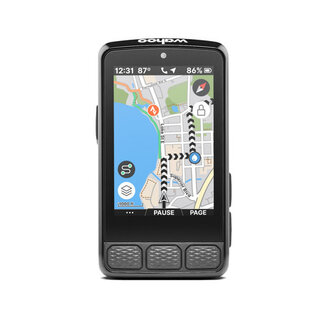
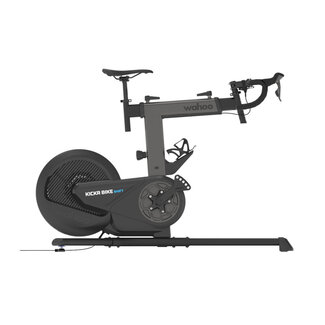
Today, Wahoo has moved beyond the bike. With the ELEMNT RIVAL watch and the KICKR RUN treadmill, they are attempting to own the entire "multisport" experience. For the Australian rider, Wahoo represents the pinnacle of "easy-tech." Whether it’s the aerodynamic ELEMNT BOLT guiding you through the Adelaide Hills or a KICKR BIKE simulating a 20% climb in your garage during a Melbourne winter, Wahoo remains the brand that turned "training" into "gaming."