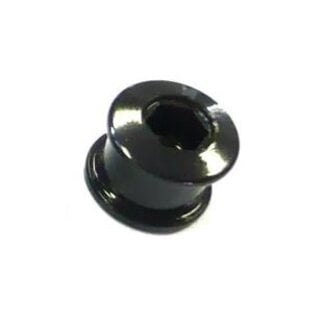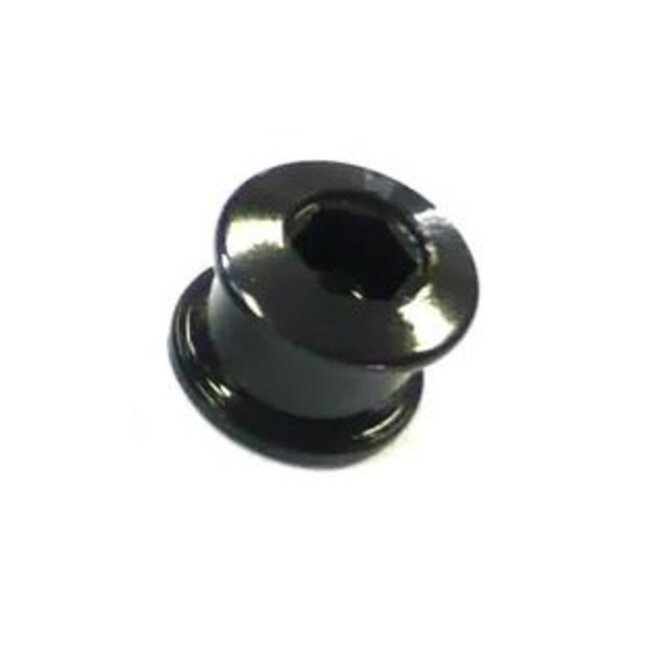
Single-speed chainring bolts are a critical, yet often overlooked, component of any fixed-gear, track, or 1x MTB build. Unlike standard road bolts designed to sandwich two chainrings together, single-speed versions are shorter, specifically sized to secure a single ring directly to the crank spider. Using bolts that are too long will result in a loose, "rattling" chainring that can eventually ovalize your crank holes or lead to a dangerous failure under load.
Whether you are building a dedicated track machine for the velodrome or a simplified 1x gravel rig, choosing the right material—Steel or Alloy—is a balance of strength and weight. These 5-packs provide the exact hardware needed for common 110 BCD and 130 BCD 5-bolt cranks, ensuring your drivetrain remains silent, stiff, and perfectly aligned.
Steel (Chromoly/Stainless): The "Gold Standard" for reliability. Steel bolts can be torqued much higher (typically 12–15Nm) without risk of stripping. They are nearly immune to "snapping" under the high standing-start torque common in single-speed riding. Ideal for commuters and high-torque track sprinters.
Alloy (7075-T6 Aluminium): The lightweight choice for weight-weenies and racers. CNC-machined alloy bolts can save roughly 20-30g over a steel set. While they offer a wide range of anodised colours to "bling" your bike, they are softer and require careful use of a torque wrench (typically 8–10Nm) to avoid rounded hex sockets.
Short Stack Height: Specifically sized for single-ring applications (usually a 6.5mm–7mm nut length) to ensure a flush, tight fit against the spider.
Standard 10mm Nut Diameter: Designed to fit the industry-standard 10mm mounting holes found on almost all Shimano, SRAM, FSA, and vintage crank spiders.
Torx or Dual-Allen Interface: Modern high-grade sets (like absoluteBLACK or Wolf Tooth) often use a Torx T30 or 5mm/6mm Hex interface, which provides better tool engagement than the old-fashioned "slotted" rear nuts.
Corrosion Resistance: Available in Black Anodised, Chrome, or Stainless Steel finishes to withstand the grit and rain of daily commuting.
| Feature | Steel Set (Standard) | Alloy Set (Premium) |
| Material | Chromoly or Stainless Steel | 7075-T6 Aluminium |
| Nut Length | 6.5mm (Short) | 6.5mm - 8.5mm |
| Tool Interface | 5mm Hex / Slotted | 5mm Hex / 6mm Hex |
| Approx. Weight | ~35g - 45g (Set of 5) | ~10g - 15g (Set of 5) |
| Torque Spec | 12 - 15 Nm | 8 - 10 Nm |
The Single-Speed/Fixie Builder: Essential for converting a multi-speed crankset to a 1x setup without needing unsightly spacers.
The "Creaky" Drivetrain Fix: If your bike makes a "click" every time you pedal hard, worn or loose chainring bolts are the #1 suspect. A fresh set of steel bolts often silences the bike instantly.
Custom Builders: Perfect for adding a pop of colour to your build with anodised alloy options in red, blue, gold, or oil slick.
Double/Triple Cranksets: These bolts are too short to hold two chainrings. For standard road doubles, you will need "Long" or "Double" stack bolts (typically 8.5mm+).
Proprietary Crank Systems: Some modern SRAM (Direct Mount) or Shimano (Hidden Bolt) cranks use proprietary threading that doesn't use a standard nut-and-bolt setup.
Chainring bolts are notorious for "seizing" due to road salt and sweat. When installing, always apply a small amount of waterproof grease or anti-seize to the threads and the shoulder of the bolt. This prevents the dreaded "spinning nut" syndrome when you try to remove them later. If you are using alloy bolts, use a calibrated torque wrench—it is incredibly easy to snap an aluminium bolt head if you "feel" it out with a large T-handle wrench!