


Wolf Tooth Components: The Problem Solvers from Minneapolis
In an industry filled with corporate giants, Wolf Tooth Components is the ultimate "engineer’s brand." Founded in 2013 by a group of cycling-obsessed mechanical engineers—Brendan Moore, Dan Pantuzzek, and Mike Fletcher—the company was born in a cold garage in Burnsville, Minnesota. Their mission was refreshingly narrow: to design and manufacture precision cycling products that solved the specific mechanical frustrations they encountered on the trails of the American Midwest. They didn't want to make another generic frame; they wanted to make the specific parts that made existing frames work better.
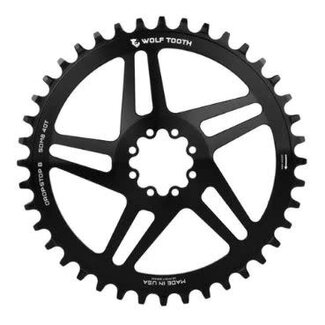
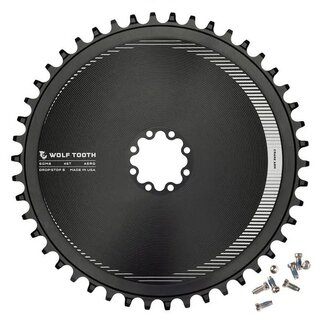
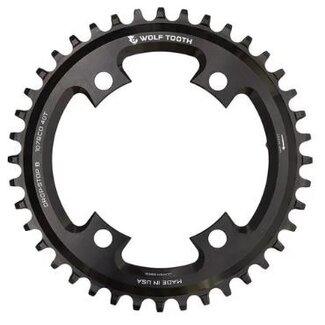
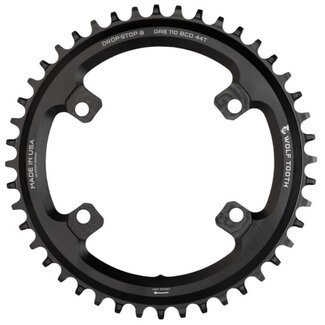
Wolf Tooth’s "big bang" moment coincided with the rise of the 1x (single chainring) drivetrain revolution. While SRAM was leading the charge with expensive groupsets, Wolf Tooth released their own precision-machined Drop-Stop® chainrings. These featured a unique wide/narrow tooth profile that allowed riders to convert their old 2x or 3x bikes into simple, reliable 1x machines without the chain constantly falling off. This "DIY" spirit turned Wolf Tooth into a cult favourite among mountain bikers and gravel grinders who preferred to tinker with their own gear rather than buy a whole new bike.
Lesser-Known Facts
-
The "Camel" Strategy: Before they were a standalone powerhouse, Wolf Tooth gained massive traction by creating the GC (Giant Cog). This was a single, oversized sprocket that riders could add to their existing 10-speed cassettes to get a "climber's gear" before 11-speed and 12-speed systems became affordable. It effectively extended the life of thousands of drivetrains worldwide.
-
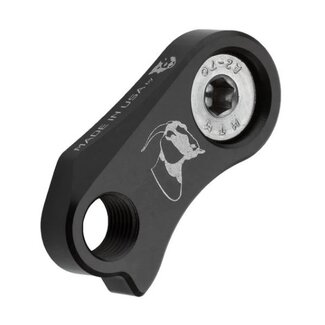
Made in the USA (Mostly): While many brands outsource to Asia to save costs, Wolf Tooth remains committed to domestic manufacturing. Nearly all of their aluminium and stainless steel components are machined in their own facility in Minnesota. This allows them to go from a "napkin sketch" to a finished prototype in days rather than months.
-
The Otso Alter-Ego: In 2016, the founders launched a sister brand called Otso Cycles. This allowed them to apply their "problem-solving" engineering to entire frames, resulting in innovative bikes like the Voytek—a fat bike with a narrow "Q-factor" (the distance between the pedals) that makes it feel like a mountain bike.
-
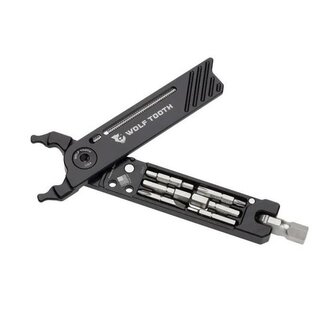
The EnCase System: Wolf Tooth was one of the first to master "hidden storage." Their EnCase System allows riders to hide a multi-tool and a chain breaker inside the ends of their handlebars, using clever vibration-damping sleeves to ensure they don't rattle.
A Darker Precision
The "darker" side of Wolf Tooth’s history is the constant, high-stakes legal and patent battle surrounding chainring technology. In the early days of the 1x revolution, the "wide-narrow" tooth profile was a legal minefield. Wolf Tooth had to navigate a landscape of aggressive patenting by industry titans like SRAM. One wrong engineering choice could have resulted in a business-ending lawsuit. This pressure forced them to be hyper-vigilant and legally defensive, creating a culture of "engineered around the patent" that actually led to their superior Drop-Stop design—a profile that cleared mud better than the original designs they were trying to avoid infringing upon.
Engaging the Modern Rider
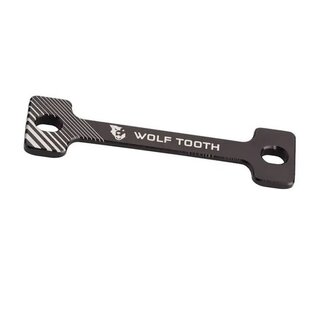
Today, Wolf Tooth has expanded into the "lifestyle and repair" space. Their Pack Hanger Alignment Tool and Morse Cage (a bottle cage with a "dot-dash" mounting pattern for adjustable positioning) are staples in professional workshops. For the Australian rider, Wolf Tooth is the brand you turn to when you want to "bulletproof" your bike for a trip to the Red Centre or a muddy winter in the Victorian High Country. Their anodised "colour kits" also allow for a level of aesthetic customisation that few other high-end engineering brands can match.