
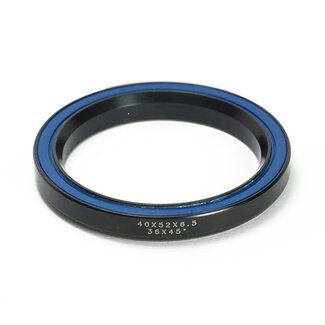
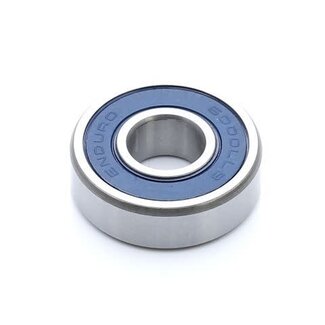
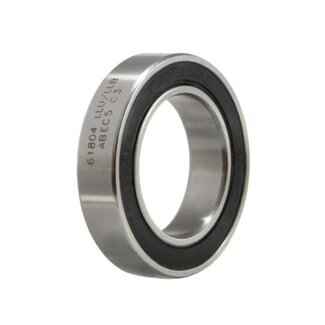
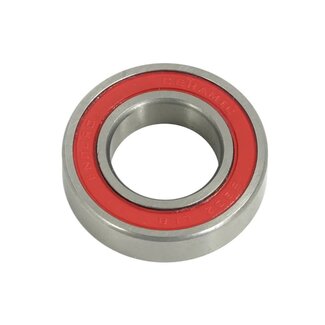


Enduro Bearings: The Unsung Heroes of Smooth
In an industry often obsessed with flashy carbon frames and wireless shifting, Enduro Bearings focuses on the literal friction points that make or break a ride. Founded in 1996 by Matt Harvey and Enrique Vasquez in Oakland, California, the brand was born from a simple observation: most bicycle bearings at the time were merely repurposed industrial bearings designed for electric motors, not the high-torque, oscillating, and filth-exposed environment of a bicycle. Harvey, a mechanical engineer and lifelong cyclist, realised that bikes needed a bearing specifically engineered for "slow rotation and high load"—the exact opposite of a vacuum cleaner motor.
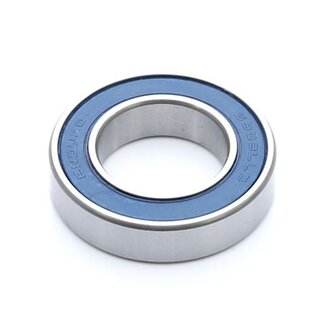
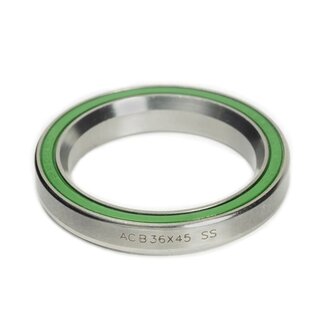
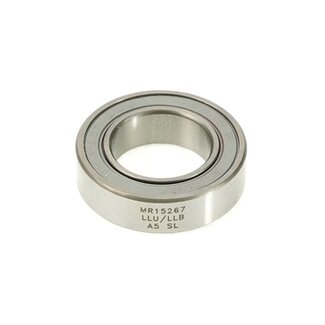
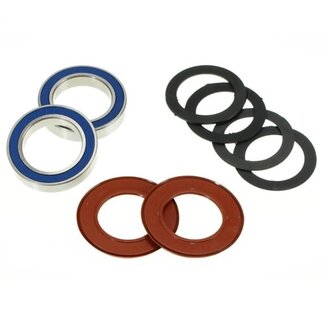
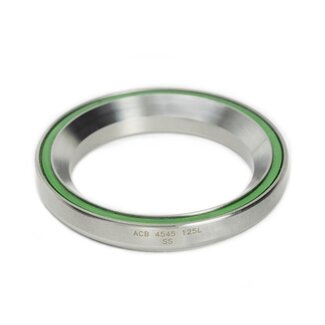
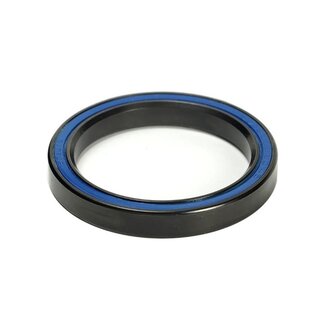
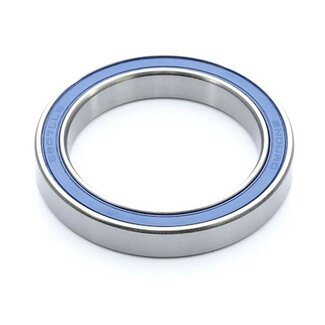
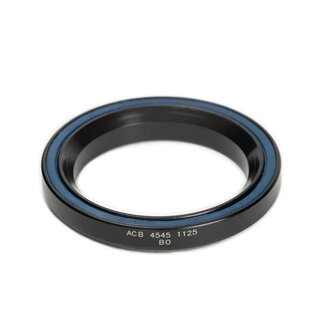
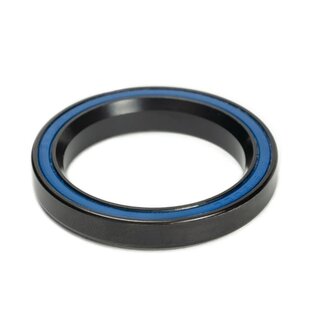
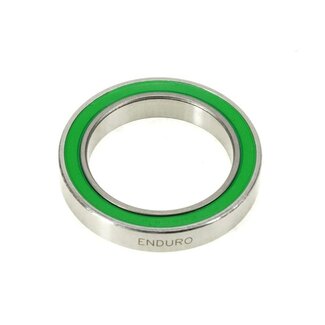
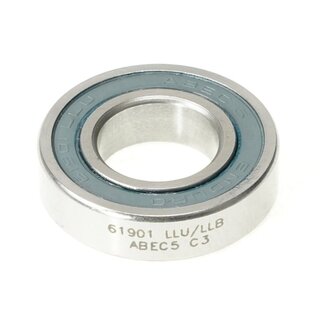
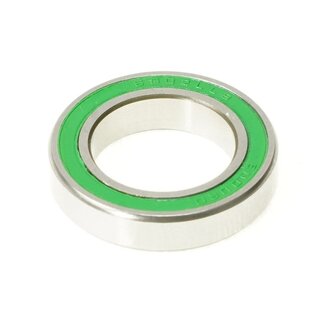
Since then, Enduro has become the secret weapon for both World Tour mechanics and weekend warriors. They are responsible for pioneering several technologies that are now industry standards, such as MAX type bearings (which use no retainer to fit more balls into the race, increasing load capacity by 40%) and Angular Contact (A/C) designs that handle the side-loading forces of a bike much better than traditional radial bearings. While they produce everything from standard steel to aerospace-grade ceramic, their philosophy remains grounded in "problem-solving." If a specific bike frame has a notorious "creak" or a bottom bracket that fails prematurely, Enduro usually has a specific, over-engineered solution to fix it.
Lesser-Known Facts
-
The NASA Connection: Enduro doesn't just "buy" ceramic balls. They use Grade 5 Silicon Nitride ceramic balls, which are the same grade used in space shuttle components. These balls are perfectly round within 5/1,000,000ths of an inch, ensuring that friction is practically non-existent.
-
Fork Seal Pioneers: Many riders don't realise that Enduro's "blue" fork seals were a revolution in the mountain bike world. Before they entered the scene, fork seals were often stiff and caused "stiction." Enduro’s polyurethane seals allowed for a much smoother, more active suspension feel, a legacy that continues in their current wipers.
-
The XD-15 Secret: Their top-tier XD-15 bearings are made from a nitrogen-infused stainless steel alloy that was originally developed for the wing de-icing systems of French jet fighters. It is so hard and corrosion-resistant that Enduro famously claims the bearings actually get smoother over time, rather than wearing out.
A Darker Friction Point
The "darker" side of the bearing world is the prevalence of low-grade "ceramic" marketing. In the mid-2010s, the industry was flooded with cheap bearings claiming to be "ceramic" that were actually just standard steel races with low-quality ceramic-coated balls. These would often shatter or "pit" the steel races within a few hundred kilometres, leading to catastrophic bottom bracket or hub failures. Enduro had to lead a massive educational campaign to explain why "cheap ceramic" was actually worse than good steel. They’ve had to fight an uphill battle against the "ceramic trend" to prove that true performance comes from the quality of the race (the ring the balls sit in) just as much as the balls themselves.
Engaging the Modern Rider
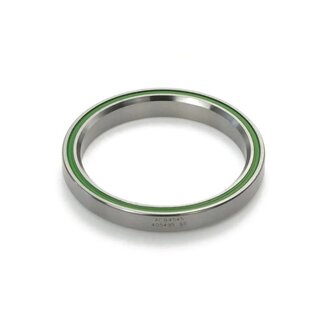
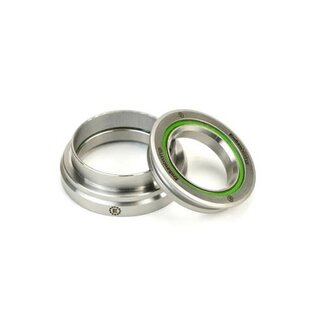
Today, Enduro Bearings is the "go-to" for riders looking to silence a noisy bike. Their Maxhit technology—where the bearing race is the actual component (like a headset cup or BB shell)—is currently disrupting the market by allowing for even larger balls and increased durability. For the Australian rider tackling the dusty trails of the Northern Territory or the salty air of the coastal roads, Enduro offers a level of weather sealing and longevity that standard OEM parts simply can’t match.